
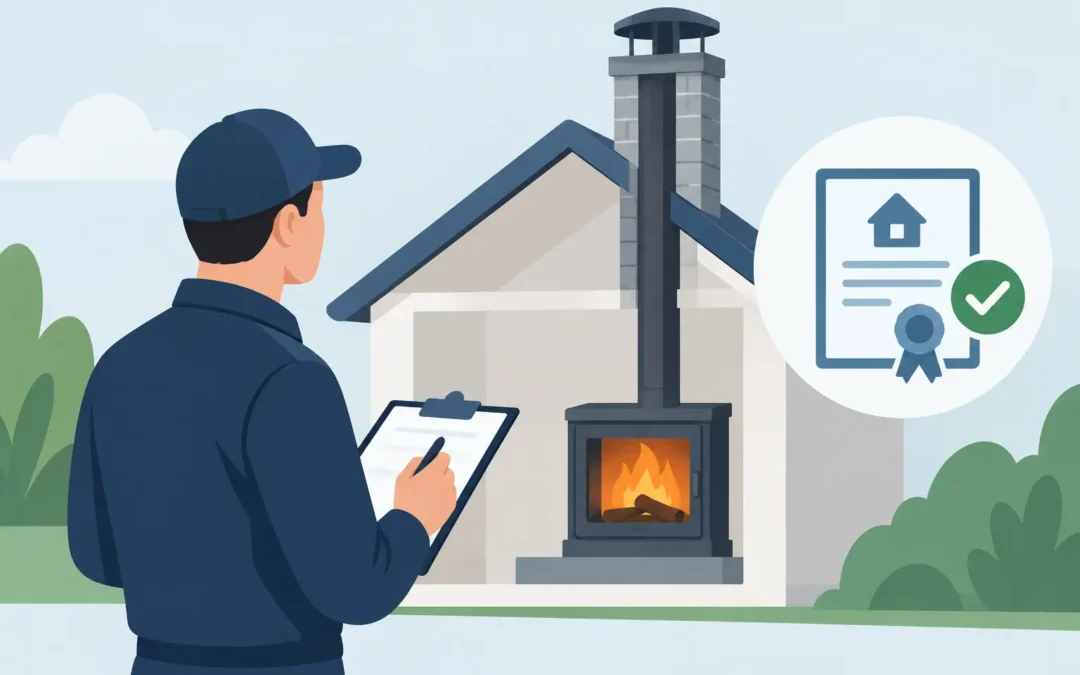
A new stove can look spot on in the hearth and still cause trouble later if the paperwork is missing. A flue compliance certificate is the document homeowners are often asked for after solid fuel installation work. It helps show that the appliance and flue system were installed to the relevant Building Regulations requirements, rather than simply fitted and left to chance.
For homeowners in Leicestershire, this can matter when you sell, remortgage, make an insurance claim or need reassurance that a wood burner, multi-fuel stove or flue liner has been fitted safely. The phrase is used loosely, though, so it is worth knowing exactly which certificate you need and what it does not cover.
What is a flue compliance certificate?
In most cases, people mean a Certificate of Compliance for a new or altered solid fuel appliance installation. This is commonly associated with HETAS-registered installers. Once the work has been completed and checked, the installer notifies the installation through the appropriate scheme. The homeowner should then receive a certificate confirming that the work has been registered.
The certificate relates to the installation as a whole, not just the visible section of flue pipe. That can include the stove, hearth, fireplace opening, chimney liner or twin wall flue, ventilation provision, chimney termination and carbon monoxide alarm. Each part has to work safely with the others.
It is not a decoration or an optional extra. It is evidence that controlled building work has been dealt with properly. Keep the original with your property records, along with appliance instructions, invoices and any sweep or service records.
When is a flue compliance certificate needed?
You will normally need certification when a solid fuel appliance is newly installed, moved, or connected to a new or significantly altered flue system. Common examples include fitting a wood-burning stove into an existing chimney, installing a stainless-steel liner, adding an external twin wall flue, or replacing an open fire with a stove.
A straightforward-looking replacement is not always straightforward in regulatory terms. Changing an old stove for a newer model may affect the required hearth, clearances to combustible materials, flue size, ventilation or chimney suitability. The right route depends on the exact work being carried out and the condition of the existing system.
If a competent person scheme installer, such as a HETAS-registered installer, completes the work, they can usually self-certify it and arrange notification. If the installer is not registered to do so, the work may need to go through your local authority Building Control process instead. Do not assume a receipt from a fitter is the same as a compliance certificate. It is not.
A sweep certificate is not the same document
This is one of the most common points of confusion. A chimney sweep certificate confirms that a chimney or flue was swept on a particular date. It may record the appliance, the work carried out and any problems found, such as a blocked flue, a bird nest, excessive tar deposits or damaged pot.
That certificate is useful. Many insurers expect sensible maintenance, and regular sweeping is essential for safe use. But it does not certify a new stove installation against Building Regulations.
An inspection report is different again. A CCTV chimney inspection can show the internal condition of a flue, identify cracks, poor joints, bends, obstructions or an unsuitable liner. It is valuable evidence when diagnosing smoke problems or planning work, but it is not automatically a Certificate of Compliance either.
The distinction matters because each document answers a different question. Installation certification asks whether the work was completed correctly. A sweep record shows ongoing maintenance. An inspection report explains the condition of the chimney or flue at the time it was checked.
Why the certificate protects more than the sale of your home
The most obvious reason to keep a flue compliance certificate is a future house sale. Conveyancers often ask for Building Regulations paperwork for a stove or fireplace installation. If it cannot be found, the sale may be delayed while buyers ask questions, request an inspection or seek an indemnity policy.
More importantly, the rules exist to reduce genuine household risks. Solid fuel appliances produce high flue gas temperatures, and poor installation can create a fire risk where flue components pass near timber, insulation or roof structures. Incorrect flue height, poor chimney condition or unsuitable terminal positioning can also lead to smoke returning towards the property.
Carbon monoxide is another serious concern. It has no smell and no colour, which is why a suitable alarm forms part of the safety picture. A proper installation considers airflow as well as extraction. A stove needs to draw combustion air and send products of combustion safely outside. Blocking vents, fitting powerful extractor fans or making a home more airtight can all affect that balance.
What a competent installer should check
A good installer does more than connect a stove and light it. Before recommending a liner, cowl or twin wall system, they should assess the chimney route, appliance specification and the property itself. Older homes in Leicester, Oadby, Wigston and the surrounding villages can have chimneys with hidden defects, awkward offsets or openings altered by previous owners.
The exact checks vary, but the work should account for flue diameter, liner grade, height and termination, suitable clearances, hearth requirements, ventilation and access for future sweeping. If the chimney is not suitable for direct connection, a liner may be needed. If there is no usable chimney, an insulated twin wall flue may be the right solution, provided it is designed and installed correctly.
There are trade-offs. A liner can improve draw and contain flue gases within a damaged chimney, but installing one without investigating the chimney first is poor practice. A chimney cowl may help with rain entry, birds or certain downdraught issues, but it will not cure every smoky stove. The underlying cause might be the flue height, an oversize opening, poor fuel, inadequate air supply or a blockage.
If you have lost the certificate
First, look through the paperwork provided after installation. Check emails, solicitor files, appliance documents and any records left by the previous owner. Where work was registered through a competent person scheme, it may be possible to obtain a replacement or confirmation from the scheme provider.
If there was never a certificate, avoid guessing. Start with a professional assessment of the appliance and flue. A visual check alone is not always enough, particularly where a liner runs inside an old chimney. CCTV inspection, smoke testing and a thorough review of the installation can establish what is there and whether corrective work is needed.
It may be possible to regularise unapproved work through Building Control, but this is not guaranteed and can involve inspections, opening up parts of the installation or making changes. The best option depends on the age of the work, its condition and your local authority’s requirements. It is usually easier and less stressful to get certification arranged correctly at the time of installation.
Looking after a compliant flue after installation
A certificate shows that the installation was dealt with properly when it was completed. It does not remove the need for care afterwards. Chimneys and stove flues still need regular sweeping, with frequency based on the fuel you burn, how often you use the appliance and the manufacturer’s guidance.
Burn only suitable, dry fuel. Wet wood creates more smoke, tar and deposits inside the flue, reducing performance and increasing the risk of a chimney fire. Keep carbon monoxide alarms working, never close off required ventilation, and arrange prompt checks if you notice smoke entering the room, a sudden change in draw, staining around the fireplace or unusual smells.
A bird nest, fallen debris or damaged cowl can turn a safe system into a blocked one between annual sweeps. This is why a local provider able to sweep, inspect and deal with flue repairs is useful. Thurnby Chimney Sweeps can help homeowners identify whether a problem is routine maintenance, a chimney defect or an installation issue that needs closer attention.
Before you book installation work
Ask whether the installer is appropriately registered to certify the type of work proposed, and ask how notification will be handled. Confirm what paperwork you will receive once the job is complete. It is also sensible to ask whether the quote includes the carbon monoxide alarm, flue components, making good and any required inspection of the existing chimney.
Cheap installation quotes can leave out the parts that are hardest to see, such as suitable liner, insulation, access equipment or certification. Fair pricing matters, but so does knowing what you are paying for. A correctly fitted and documented stove is an investment in safe, enjoyable heat rather than a future problem waiting for a surveyor or insurer to find.
If you are unsure whether your existing stove or flue has the right paperwork, get the system checked before you rely on it through another heating season. Clear records and a well-maintained flue offer the kind of reassurance every household deserves.