
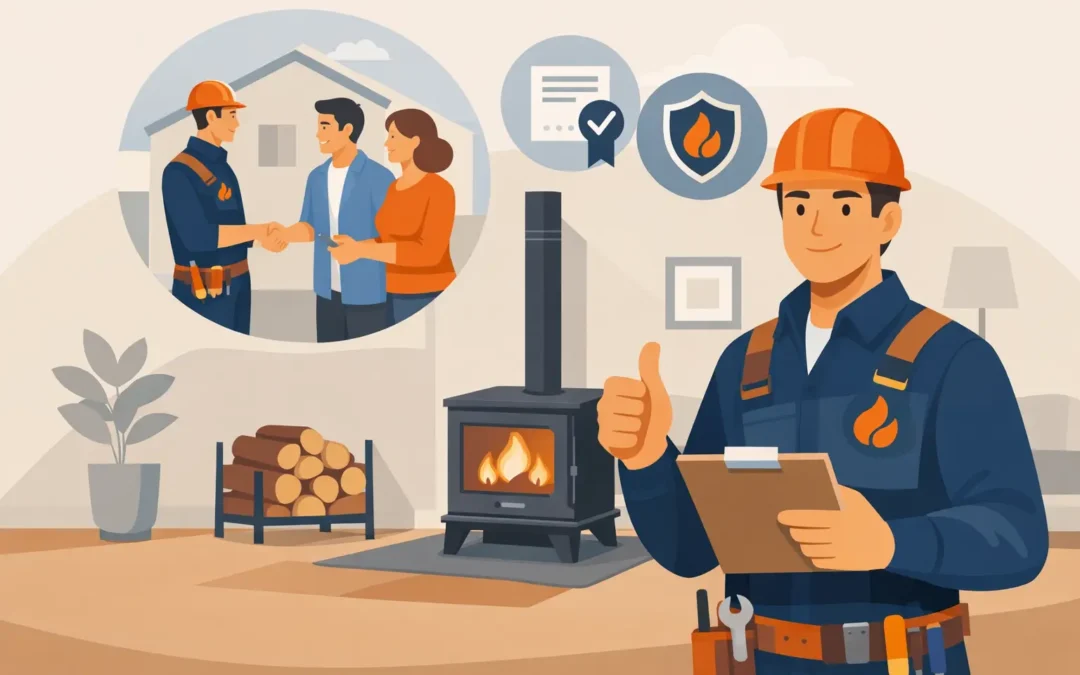
A stove can make a room feel properly lived in. It can also become a source of smoke leaks, poor draught, heat loss and safety problems if the installation is not done correctly. That is why choosing a HETAS registered stove installer matters. You are not just paying for a fire to look good in the hearth. You are paying for safe clearances, correct flue design, legal compliance and a job that performs well year after year.
For many homeowners, the hard part is knowing what to look for. Plenty of firms say they fit stoves. Fewer can show the right registration, explain the system clearly and deal with the chimney as well as the appliance. If you want the job done properly, it helps to understand what HETAS registration means in practice and where the common problems start.
What a HETAS registered stove installer actually does
A HETAS registered stove installer is approved to fit solid fuel and wood-burning appliances in line with current regulations and industry standards. That covers more than sliding a stove into an opening and connecting a pipe. A proper installation takes in the condition of the chimney, the suitability of the flue, the hearth dimensions, ventilation requirements, distance to combustible materials and the safe route for fumes to leave the property.
In practical terms, the installer should assess the whole setup before recommending anything. A small room may not suit the same appliance as a larger open-plan space. An older chimney may need lining. A property without a traditional chimney may be better served by a twin wall flue system. There is no one-size-fits-all answer, and that is often where poor installations begin.
A registered installer can also self-certify the work where applicable. For the homeowner, that usually means less hassle when it comes to building regulations compliance. It also means there is a formal standard behind the installation rather than guesswork.
Why HETAS registration matters
The biggest reason is safety. Solid fuel appliances produce intense heat and combustion gases. If the flue is undersized, damaged, blocked or badly connected, smoke and carbon monoxide can end up where they should not. If clearances are wrong, nearby materials can overheat over time. These are not minor snags. They are the sort of faults that can put people and property at risk.
There is also the matter of performance. A badly installed stove often shows its faults early. You may notice smoke entering the room when lighting it, fuel burning too quickly, poor heat output or blackened glass that never seems to stay clean. Sometimes the appliance gets blamed when the real issue is the chimney, the liner, the draught or the air supply.
Registration matters for paperwork too. If you sell your home, insurers or solicitors may ask for evidence that the stove was installed correctly. Having the work carried out by a HETAS registered stove installer can make that side of things much more straightforward.
Signs you are dealing with the right installer
A good installer will not rush to quote for a stove before checking the property properly. They should ask sensible questions about your home, how you plan to use the appliance and whether the chimney has been swept or inspected recently. If the chimney has not been used for years, or if there are signs of leaks or previous alterations, further checks may be needed before any installation goes ahead.
You should also expect clear, plain advice. That means honest answers about whether your existing chimney can be used, whether a liner is recommended, and whether extra ventilation will be required. Straight talking matters here. If an installer avoids detail or brushes off concerns about compliance, that is not reassuring.
Local experience helps as well. In Leicestershire, housing stock varies from older cottages and terraces to newer homes that may need an external flue route rather than a traditional chimney connection. An installer used to working across different property types is usually better placed to spot likely issues early.
Questions worth asking before you book
It is reasonable to ask whether the installer is currently HETAS registered and what type of stove and flue work they carry out regularly. You can also ask what checks they make before installation, whether the chimney should be swept first and what certification you will receive when the work is complete.
It is worth asking who is responsible for the full job. Some firms fit the stove but leave other parts to separate contractors. That is not always a problem, but it can create gaps in responsibility if something is missed. Many homeowners prefer one provider who can inspect, sweep, line and fit the system as a whole.
Price should be discussed openly too. The cheapest quote is not always the best value if it skips essential parts of the job. A proper quotation should reflect the real work involved, not just the visible appliance in the fireplace opening.
Why the chimney matters as much as the stove
One of the most common misunderstandings is that the stove is the main event and the chimney is just there to serve it. In reality, the chimney and flue system do a huge amount of the heavy lifting. They create the draught, remove the products of combustion and influence how cleanly and efficiently the stove burns.
If the chimney is unsound, oversized, leaking, blocked or cold, even a good stove can struggle. That is why a sweep or CCTV inspection is often part of sensible preparation. Bird nests, fallen masonry, old soot deposits and hidden damage can all affect installation decisions.
This is where using a business with broader chimney experience can make a real difference. A family-run local company such as Thurnby Chimney Sweeps is not looking at the appliance in isolation. The wider chimney system needs to be safe and fit for purpose, otherwise the finished job will always be compromised.
Common trade-offs homeowners should understand
Not every installation choice is simply right or wrong. Sometimes it depends on the property, the budget and how you intend to use the stove.
A flue liner, for example, may add to the upfront cost, but it can improve performance and safety in an older chimney. A twin wall flue can be the right answer in a home without a usable chimney, though it changes the look of the installation and needs careful routing. A larger stove may seem attractive, but an oversized appliance in a modest room can lead to uncomfortable heat and poor burning habits if it is slumbered too much.
Ventilation can be another sticking point. Some homeowners worry about draughts from an air vent, but the appliance still needs enough combustion air to operate safely. A good installer should explain the balance rather than treat it as a box-ticking exercise.
Red flags to watch for
Be cautious if someone offers to fit a stove without inspecting the chimney or discussing compliance. The same goes for vague pricing, verbal promises with no written detail, or pressure to choose a particular appliance without explaining why it suits your home.
Another red flag is when sweeping, inspection or remedial chimney work is dismissed as unnecessary before the system has been checked. It may turn out that everything is in good order, but no installer should assume that at the outset.
You should also be wary of anyone who cannot explain aftercare. Once the stove is fitted, you still need routine sweeping, sensible fuel use and periodic servicing. Installation is the start of safe use, not the end of it.
Choosing local can make the process simpler
For homeowners in Leicester, Oadby and Wigston, Oakham, Uppingham and surrounding parts of Leicestershire, a local installer often offers a more practical service from start to finish. They are easier to reach, more familiar with the housing in the area and more likely to provide ongoing support when the stove needs sweeping, servicing or a closer look later on.
That continuity matters. A stove is not a fit-and-forget item. If smoke behaviour changes, if there is a suspected downdraught issue, or if the appliance is due for servicing, it helps to know the same firm can deal with it. You are not left chasing different trades for different pieces of the puzzle.
The best choice is usually the installer who treats the job as a safety-critical system rather than a simple home improvement. Look for clear advice, proper registration, honest pricing and someone willing to assess the chimney, flue and room before recommending the way forward. A well-fitted stove should give you warmth and peace of mind in equal measure, and that starts with choosing the right person to install it.