
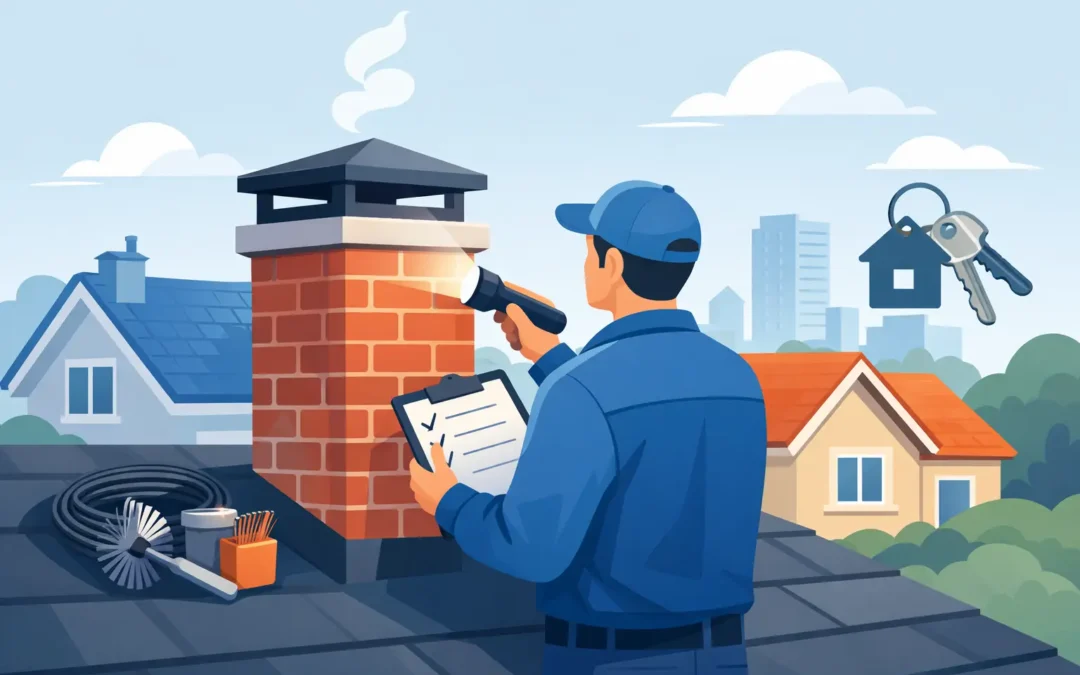
A chimney can look perfectly sound from the garden while soot, a bird nest or a damaged flue is causing a problem inside. That is why chimney maintenance for landlords should be treated as planned safety work, not a job left until a tenant reports smoke coming into the room.
For rental homes with an open fire, wood burner or multi-fuel stove, regular attention protects tenants, the property and your position should there be a fire or carbon monoxide incident. It also avoids the more expensive call-outs that follow years of missed sweeping or a small defect being ignored.
What landlords are responsible for
A landlord must keep the property safe and in repair, including heating installations and any supplied solid fuel appliance. In practical terms, that means making sure the chimney and flue can remove smoke and combustion gases safely, and arranging competent work where there is a fault or a maintenance need.
The exact arrangements can depend on the tenancy agreement. A tenant may be asked to use the stove correctly, empty ash safely and report concerns promptly. They should not, however, be expected to arrange specialist chimney work or to solve a suspected flue problem themselves. The responsibility for the condition of the chimney system remains with the landlord.
In England, rented properties also need working smoke alarms and carbon monoxide alarms in the required locations. A carbon monoxide alarm is particularly relevant where there is a fixed solid fuel appliance. Test alarms at the start of each new tenancy, record the check, and make it clear that tenants should test them regularly and report any fault straight away.
Requirements and local licensing conditions can change, especially for Houses in Multiple Occupation. If you let an HMO or have a complex property, check the current requirements with your local authority and insurer rather than relying on an old checklist.
Chimney maintenance for landlords: a sensible schedule
There is no single sweep interval that suits every rental property. How often a chimney needs sweeping depends on the appliance, the fuel being burned and how heavily it is used. A holiday let with a wood burner used most evenings through winter needs a different approach to a house where the fireplace is rarely lit.
As a practical rule, arrange a professional sweep at least annually for a working solid fuel appliance. If tenants use wood or coal regularly, a sweep before the heating season and a further check after a busy winter can be the safer choice. Open fires can produce a surprising amount of soot, while burning wet wood creates heavier deposits and increases the risk of tar in the flue.
Do not assume a chimney is safe just because it has not been used recently. Nests, fallen debris, loose mortar and water ingress can all affect an unused flue. A pre-tenancy inspection is worthwhile if a property has been empty, has changed hands or has an appliance that has not been used for some time.
A clear maintenance record should show the date of each visit, the appliance or flue swept, any findings, recommended work and completion details. Keep invoices and certificates with the property file. This creates a useful history for future inspections, insurance questions and changeovers between tenants.
Tell tenants what to look out for
Most chimney faults give an early warning. The difficulty is that tenants may not know which signs need reporting. A short handover note can prevent a minor issue becoming a dangerous one.
Ask tenants to contact you promptly if they notice smoke escaping into the room, a persistent smoky smell, black staining around the fireplace, poor draw, debris falling into the grate or an alarm sounding. They should stop using the appliance if smoke or fumes are entering the room, ventilate the area where safe to do so, and follow the alarm manufacturer’s advice.
It is also sensible to set some ground rules for a supplied stove. Only burn suitable fuel, use properly seasoned wood where wood is permitted, and never burn household rubbish, treated timber or painted wood. These materials can create harmful fumes and damaging deposits in the flue.
Tenants should not block air vents to stop draughts. Purpose-provided ventilation may be essential for safe appliance operation, particularly in older properties or homes with replacement windows and improved draught proofing. If a room feels cold or draughty, the answer may be to investigate the appliance setup, chimney draw or insulation rather than covering a vent.
When a sweep is not enough
Sweeping removes soot and loose deposits, but it cannot repair a failing chimney. A qualified chimney professional should investigate recurring smoke problems, poor draw, damp patches near the chimney breast or a stove that suddenly behaves differently.
A CCTV chimney inspection is useful where the issue cannot be seen from the fireplace or roofline. It can identify cracks, displaced liners, blockages, severe tar deposits and internal damage without guesswork. This is often the right first step before recommending a liner, repair or more extensive building work.
Bird nests are another common problem in Leicestershire rental properties. They can block a flue completely, particularly during the spring and summer when an appliance is unused. Nest removal must be handled properly, and a suitable cowl may help prevent repeat problems once the flue is confirmed clear and safe.
Cowls can also help with rain entry and certain downdraught issues, but they are not a cure for every smoky stove. The chimney height, flue size, nearby buildings, trees and the appliance itself all affect performance. Fitting the wrong cowl can make matters worse, so a proper assessment is better than a quick fix.
Plan access around the tenancy
Landlords need access to carry out repairs and safety-related maintenance, but tenants are entitled to reasonable notice and quiet enjoyment of their home. Give clear written notice, agree a practical appointment where possible, and explain what work will be carried out. A normal chimney sweep is usually clean and straightforward when the area around the fireplace is cleared beforehand.
Build sweeping into your annual property calendar instead of trying to arrange it in the first cold spell of winter. Booking ahead is easier for tenants and helps ensure the appliance is ready before it is used heavily. For furnished rentals, include the hearth, fire guard and any stove tools in routine inspections too.
If a tenant has installed their own stove or connected an appliance without permission, take advice before allowing it to remain in use. Flue alterations, liners and twin-wall systems need suitable design, installation and certification. Unapproved work can create a serious safety issue and may affect insurance cover.
Choose a competent local chimney professional
The cheapest sweep is not always the best value for a landlord. You need someone who can do more than remove soot: they should recognise signs of flue damage, explain the findings plainly and provide a record of the work carried out.
Look for relevant training, experience with solid fuel appliances and clear information about what is included. For installation work, use an appropriately registered and competent installer. For sweeping and inspections, choose a business that is happy to discuss access, tenant communication and the condition of the whole chimney system, not just the fireplace opening.
Thurnby Chimney Sweeps provides sweeping, CCTV inspections, bird nest removal, cowl fitting and chimney and flue work across Leicestershire. Using one trusted provider for routine visits and specialist faults can make property maintenance simpler, particularly if you manage more than one home.
A practical checklist before each heating season
Before tenants begin using a fireplace or stove for the winter, confirm that the flue has been swept at the appropriate interval, alarms have been tested and any previous recommendations have been completed. Check that the appliance door, seals and glass are in good condition, that air vents are clear, and that tenants have the correct fuel guidance.
If there has been a chimney fire, a suspected carbon monoxide event, storm damage or water coming down the flue, do not wait for the next scheduled service. Stop use and arrange an inspection. The cost of acting quickly is small beside the risk of fire damage, ill health or a prolonged void while major repairs are carried out.
A well-managed chimney does not need constant attention, but it does need a regular plan. Give tenants clear instructions, keep good records and deal with warning signs early. That is the straightforward way to keep a rented home warmer, safer and easier to look after.