
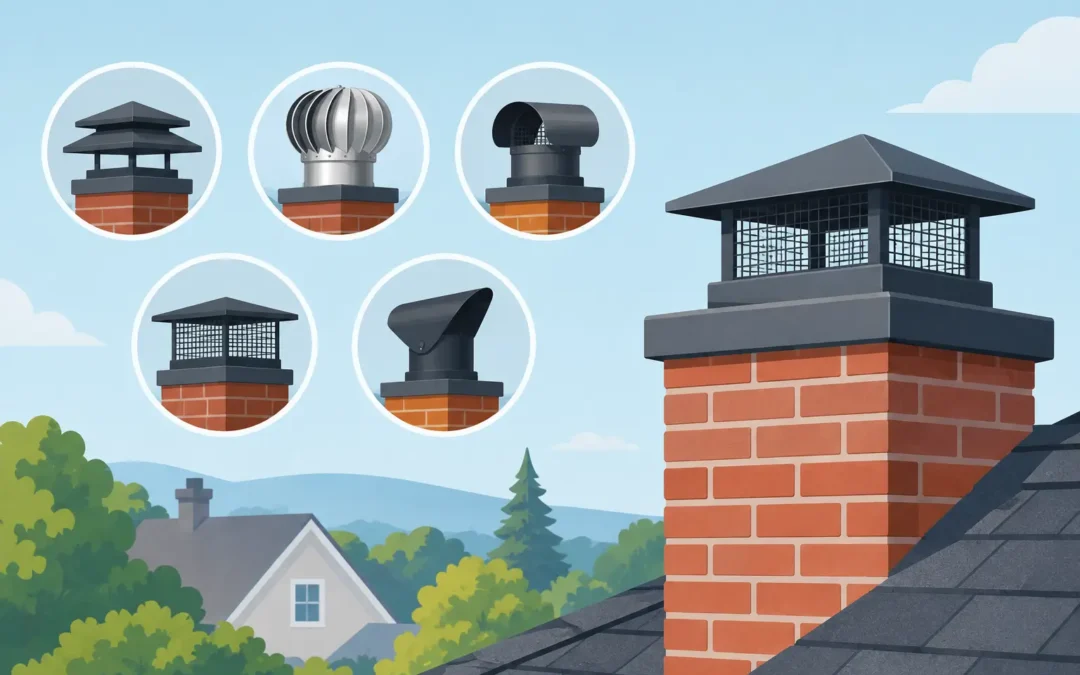
A chimney cowl is a small fitting with a big job. The right one can keep rain and birds out, improve a troublesome draw and protect an unused chimney. The wrong one can restrict the flue, fail to solve a smoke problem or simply blow loose in bad weather. This guide to choosing chimney cowls will help you understand what is worth fitting, and why the chimney needs checking before a cowl is selected.
Start with the problem, not the cowl
It is tempting to choose a cowl based on appearance or a neighbour’s recommendation. However, cowls are not one-size-fits-all. A cowl designed to stop birds nesting is different from one intended to help with downdraught. A chimney serving a wood burner has different requirements from a redundant open-fire flue.
Before fitting anything, identify what is happening. Are you finding rain in the fireplace, hearing birds in spring, smelling smoke indoors when the wind changes direction, or seeing poor stove performance? Each points to a different cause. A blocked flue, poor chimney height, an air supply issue or an unsuitable stove installation cannot always be put right by adding a cowl.
This is where an experienced chimney sweep or flue engineer earns their keep. A sweep and visual inspection can rule out soot build-up, nest material and obvious defects. Where the cause is unclear, a CCTV chimney inspection may show damage, a restriction or an offset within the flue that affects performance.
What a chimney cowl can do
A properly selected and fitted cowl can provide useful protection and help a flue work as intended. Its job will usually fall into one or more of these areas:
- keeping birds and nesting material out of an active or unused flue
- reducing the amount of rain entering the chimney pot
- discouraging leaves and debris from collecting in the flue
- helping to reduce wind-related downdraught
- protecting an unused chimney while still allowing ventilation
A cowl is not a replacement for regular sweeping. Any flue used by a wood-burning or multi-fuel stove still needs sweeping at appropriate intervals, and the cowl itself should be checked as part of routine maintenance. Mesh guards in particular can collect soot or tar if they are not suitable for the appliance or fuel being used.
Choose the cowl type for the chimney’s use
Bird guards and rain cowls
For many homeowners, the main concern is birds. Jackdaws and other birds can build substantial nests surprisingly quickly, leaving a flue blocked and unsafe to use. A bird guard or rain cowl can prevent access while allowing smoke and gases to escape.
The design matters. Fine mesh may sound like the safest option, but it is not automatically right for a solid-fuel appliance. Soot and condensates can build up on mesh, particularly where wood is being burned damp or the stove is run slowly for long periods. The guard must provide adequate free airflow and be suitable for the particular fuel and appliance.
For an unused flue, a ventilated cap or cowl is often preferable to sealing the pot completely. Chimneys need ventilation to reduce condensation and damp problems. Blocking the top may leave moisture trapped inside the stack, which can lead to staining, deteriorating mortar and unpleasant smells in the room below.
Anti-downdraught cowls
Downdraught is when wind pushes air down the chimney rather than allowing flue gases to rise freely. You may notice smoke spilling from an open fire, a stove that is difficult to light, or smoke smells when the wind comes from a particular direction.
Anti-downdraught cowls are shaped to manage airflow around the chimney pot. Some use fixed aerodynamic designs, while others rotate with the wind. They can be effective where the problem is genuinely caused by wind pressure at the chimney terminal.
There is a trade-off. A more complex cowl is not always better, especially if it has moving parts that will need inspecting and maintaining. It must also be matched to the appliance. A cowl that works well on an open fire may not be suitable for a lined stove flue, and vice versa.
Rotating and chimney draught cowls
Rotating cowls turn in the wind to create a low-pressure area that can support the natural draw of the chimney. They are sometimes considered for properties exposed to open ground, taller neighbouring buildings or awkward rooflines.
They can help in the right setting, but they are not a cure for every poor-draw complaint. If the chimney is too short, the flue is undersized, the liner is faulty or the room lacks a permanent air supply, fitting a rotating cowl may mask the real issue. Any modification to a working stove system should be assessed carefully, rather than treated as a quick fix.
Pot hangers and multi-flue cowls
Some chimney stacks have several pots, while others have a single large pot serving one flue. A cowl must fit the correct pot securely and must never cross-connect flues. If a stack serves a stove, boiler, open fire or ventilation system, each terminal needs to be clearly identified before work begins.
This is particularly important following a stove installation or chimney lining. The liner size, appliance output and manufacturer’s requirements all affect the type of terminal that can be fitted. A suitable cowl should not reduce the flue outlet below what the appliance requires.
Material matters on an exposed chimney
Chimney cowls are commonly made from galvanised steel, stainless steel, aluminium or clay-based materials. Price is a consideration, but weather exposure and fuel type should guide the decision.
Galvanised steel can be a sensible option for straightforward bird protection, but it may not last as well in exposed locations. Stainless steel is generally a stronger choice where the chimney sees regular use, harsh weather or smoke from solid fuel. It offers better corrosion resistance, although the grade and quality still matter.
Aluminium is light and corrosion-resistant, but it is not appropriate for every solid-fuel application. Heat, appliance instructions and the manufacturer’s stated suitability must be checked. A cowl fitted to a chimney serving a stove deals with heat, acidic deposits and repeated weathering, so buying solely on the lowest price can be false economy.
The chimney pot and flaunching also need attention. Flaunching is the mortar bedding around the pots at the top of the stack. If it is cracked or loose, a new cowl will not make the chimney safe. High winds put extra strain on pots and terminals, so secure fixing is essential.
Check the flue before fitting a chimney cowl
A cowl should only be fitted after the flue has been checked for its intended use. For an active solid-fuel appliance, that normally means sweeping the chimney first. This confirms the flue is clear and gives a better indication of the condition inside.
If there has been a bird nest, do not light the fire in the hope that it will burn away. Nest material can create a serious blockage and may fall further down the flue. It needs removing safely, followed by a proper check before the appliance is used again.
For persistent smoke or downdraught, look beyond the chimney pot. Nearby trees, a new extension, taller neighbouring roofs and changing wind patterns can all affect how the chimney draws. Internal factors count too. Modern homes can be more airtight, and extractor fans or kitchen hoods may compete with the appliance for air.
A sound chimney cowl is part of a safe system, not a stand-alone answer. The condition of the liner, the appliance, the hearth, the ventilation and the stack all matter.
Why professional fitting is worth it
Working at roof level brings obvious risks, but fitting a cowl properly is about more than access equipment. The terminal must be the right size, fitted squarely, secured against wind and installed without damaging the chimney pot. The person fitting it should also know when to stop and investigate further.
For example, a loose pot, crumbling flaunching or a liner that ends too low needs addressing before a cowl is added. Likewise, if smoke enters the room, the cause needs diagnosing rather than simply fitting the most aggressive anti-downdraught design available.
At Thurnby Chimney Sweeps, cowl fitting can be considered alongside sweeping, bird nest removal, CCTV inspections and downdraught investigations. That joined-up approach helps avoid paying for a fitting that does not address the actual fault.
A sensible final check
Once fitted, the cowl should be checked from ground level after severe weather and inspected during chimney maintenance. Look for anything visibly loose, tilted or damaged, and act promptly if you hear rattling or notice a change in stove performance. A well-chosen chimney cowl should quietly protect the flue for years, while leaving it free to do the job it was built for.