
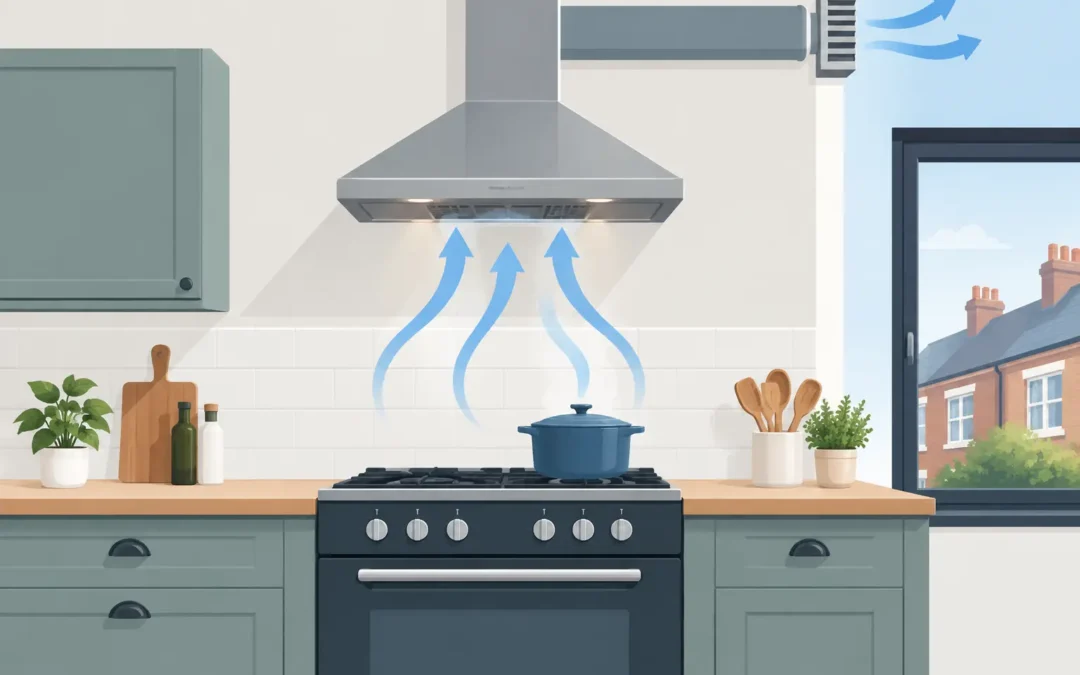
A wood-burning or multi-fuel stove needs more than a sound chimney and the right-sized flue. It also needs enough air to burn fuel safely. Stove ventilation requirements are often overlooked because the vent itself is not the attractive part of an installation, but getting it wrong can lead to poor burning, smoke entering the room and a greater risk of carbon monoxide.
For homeowners in Leicestershire, this matters particularly in modernised properties. New windows, insulation and draught-proofing can make an older home far less able to supply replacement air than it once was. A professional stove installation should assess the whole system – appliance, hearth, flue, chimney and ventilation – rather than treating each part separately.
Why a stove needs ventilation
A stove burns fuel by drawing oxygen from the room. The hot gases produced by that fire then rise through the flue. For this to work properly, the room must be able to replace the air being used.
When there is not enough combustion air, the stove may be difficult to light, burn slowly or produce blackened glass and excessive soot. You may notice smoke spilling into the room when the door is opened, especially on lighting. These are not problems to solve by simply opening a window every time you use the stove. They are signs that the installation needs checking.
Ventilation also helps the flue establish a stable draw. A chimney cannot remove combustion gases effectively if it is competing for air with sealed doors, extractor fans or another fuel-burning appliance. Good airflow supports cleaner combustion, better heat output and a safer home.
When are permanent air vents required?
The answer depends on the stove’s rated output, the age and airtightness of the property, the manufacturer’s instructions and the current guidance under Building Regulations. In England, solid fuel installations are normally assessed against Approved Document J, alongside the appliance and flue requirements.
As a general rule, an air supply is commonly required for appliances above 5kW. However, that is not a shortcut for deciding whether your home needs a vent. Properties built or extensively refurbished since 2008 may need dedicated ventilation even for a stove rated at 5kW or below, because they are likely to be more airtight.
The calculated free air area required rises with the appliance output. It must be sized properly, permanently open and located so it can supply the room without creating an uncomfortable cold draught across the seating area. A qualified installer will calculate this as part of the survey rather than guessing from the size of the room.
Do not block or cover an air vent
A purpose-provided stove vent should never be blocked, taped over or filled with insulation. It can be tempting during cold weather, particularly if the vent feels draughty, but doing so may starve the stove of air and affect the safe operation of the flue.
If the vent is causing a nuisance, the answer may be a different vent design, careful positioning or investigation of another issue with the installation. It is not safe to remove the air supply without professional advice.
Stove ventilation requirements in modern homes
Newer homes can be particularly challenging because they are designed to retain heat. Trickle vents in windows, background ventilation in another room or natural gaps around older doors cannot automatically be counted as suitable combustion air. A stove needs a reliable air route that meets the required specification.
Some appliances are designed to take their combustion air directly from outside through a dedicated duct. Often called external air or direct air systems, these can be a practical option where a room is very airtight. They can reduce cold air entering the living space, but they still need to be selected and fitted correctly for the appliance and property.
Not every stove can use direct external air, and not every house is suitable for the same arrangement. Floor voids, suspended timber floors, walls, underfloor services and the path of the duct all need consideration. The appliance manufacturer’s instructions remain part of the requirement, not an optional extra.
Extractor fans and other causes of poor draw
A kitchen extractor, bathroom fan, tumble dryer or whole-house ventilation system can pull air from the property. If the stove is lit, this may create negative pressure and interfere with the chimney draw. In some cases, it can draw smoke or combustion gases back into the room.
This does not mean you can never use an extractor fan in a house with a stove. It means the interaction needs to be assessed. The risk is greater where the stove is close to a powerful kitchen extractor, in a tightly sealed house, or where a flue already has marginal draw.
Downdraught can have several causes. Chimney height, nearby trees or buildings, an unsuitable cowl, cold flue gases and blockage can all play a part. Ventilation is one possible cause, so avoid fitting a cowl or changing the stove before the full system has been checked. A proper diagnosis can prevent spending money on the wrong fix.
Ventilation is not the same as a working chimney
It is easy to assume that a clear chimney means a stove has enough air. These are separate parts of the installation. The chimney or flue carries combustion products away, while ventilation provides the oxygen needed for burning.
Both must be right. A flue that is too large, too cold, poorly lined or partly blocked can create smoke problems even with a suitable air vent. Equally, a perfectly lined flue cannot compensate for a sealed room with no proper air supply.
Before fitting a stove into an existing fireplace, the chimney should be inspected and swept. Depending on its condition, it may need lining, repairs to the stack or flaunching, or a suitable cowl. A CCTV chimney inspection can be useful where the internal condition is unclear. This is particularly worthwhile in older homes where the chimney’s history is unknown.
What a proper installation survey should cover
A stove survey should begin with the room and the chimney, not with a quick recommendation based on the fireplace opening. The installer should ask about the age of the property, recent improvements such as replacement windows, other ventilation equipment and how the room is used.
They should also consider the stove output. Bigger is not always better. An oversized appliance is often run with the air controls turned down, which can encourage inefficient burning, tar deposits in the flue and dirtier glass. Choosing the right output for the heat demand makes it easier to run the stove as intended.
The survey should then establish whether the existing chimney is suitable or whether a new twin-wall flue system is needed. It should cover the hearth, clearances to combustible materials, flue route, terminal position and the required combustion air supply. These details work together to protect your home and help the stove perform properly.
Certification, notification and safety alarms
Solid fuel work is safety-critical. A competent installer can self-certify eligible work through a recognised competent person scheme, or the installation may need to be notified to local authority Building Control. You should receive the relevant paperwork when the job is complete. Keep it with your house documents, as it may be requested when you sell the property or make an insurance claim.
A carbon monoxide alarm is also required in the room where a new or replacement fixed solid fuel appliance is installed. It is an essential warning device, but it does not replace correct ventilation, installation or maintenance. Test it regularly and replace it in line with the manufacturer’s stated service life.
Once the stove is in use, have the chimney swept at appropriate intervals for the fuel you burn and the way you use the appliance. Wood should be properly seasoned, with a moisture content of 20% or less, and suitable authorised fuel should be used for multi-fuel appliances. Wet wood and poor-quality fuel create more smoke, deposits and unnecessary strain on the flue.
Signs your stove ventilation needs checking
Book professional advice if your stove is difficult to light, smoke enters the room, the fire burns sluggishly, or you notice strong smells from the appliance. A carbon monoxide alarm sounding is an urgent warning: stop using the appliance, ventilate the property if it is safe to do so, get outside and seek appropriate emergency advice.
Other warning signs include a vent that has been covered, major draught-proofing work since the stove was installed, a new extractor fan, or a change to the chimney such as a cowl fitted without resolving the original problem. Small changes to a house can affect how a stove behaves.
At Thurnby Chimney Sweeps, we take a practical view: the safest installation is one where the stove, ventilation and flue have been considered together. If you are planning a new stove, or your existing one is not drawing as it should, a proper survey gives you clear answers and helps keep your home warm without taking chances.