
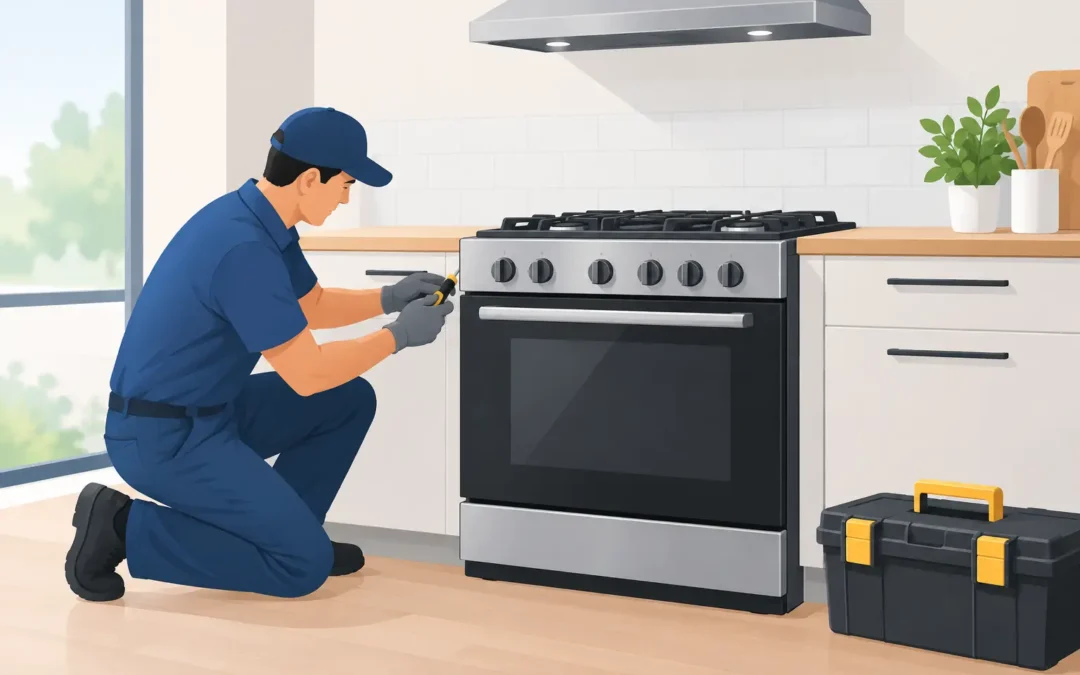
A stove should make a room feel warmer, not leave you worrying about smoke, fumes or whether the chimney is safe to use. Proper stove installation is about far more than putting an appliance in a fireplace opening. The stove, hearth, chimney or flue, ventilation and surrounding materials all need to work together safely.
For homeowners in Leicestershire, getting the job assessed and fitted by a suitably qualified installer avoids the common problems that turn a good idea into an expensive repair: poor draw, smoke entering the room, damaged liners, overheating nearby surfaces and uncertainty over Building Regulations.
What a proper stove installation involves
Every property is different. A Victorian terrace with an existing chimney needs a different approach from a new-build home, a bungalow with no chimney, or a property where the fireplace has been altered over the years. That is why a proper installation starts with a survey, not a guess based on the size of the room or the look of the stove.
The installer should assess the chimney route, fireplace opening, condition of the stack, access for sweeping and whether a liner is needed. They will also consider the stove’s heat output, the construction of the walls and floor, and the required clearances around the appliance. A stove that is too large for the room can make the space uncomfortably hot and encourage inefficient, slow burning. One that is too small may not provide the heat you expected.
The flue is just as important as the stove itself. It creates the draw that takes combustion gases safely outside. A flue that is too short, poorly routed, incorrectly sized or obstructed can cause smoke problems and poor performance, even with a high-quality appliance.
The survey should answer the awkward questions
A good survey is the time to identify issues that are not obvious from the sitting room. Is the existing chimney sound? Has it been shared with another fireplace? Is there a bird nest, old debris or a restriction in the flue? Is the chimney tall enough and in the right position to draw reliably?
CCTV chimney inspection can be particularly useful where the flue’s condition is uncertain. It gives a clearer view of cracks, bends, ledges and blockages before work begins. This can prevent surprises once the installation is under way and helps establish whether a new liner, repair work or a different flue route is the sensible option.
Choosing the right stove for the room
Many homeowners start with appearance, and that is understandable. A stove becomes part of the room, whether you prefer a traditional cast-iron style or a cleaner contemporary design. However, the practical questions need answering first.
Heat output is usually measured in kilowatts. The right rating depends on the room size, insulation levels, glazing, ceiling height and how the property is used. An older, draughtier house may need more heat than a well-insulated extension of the same size. Open-plan spaces also need careful consideration, as heat will travel beyond the immediate seating area.
You will also need to decide whether a wood-burning stove or multi-fuel stove suits how you plan to use it. Wood-burning appliances are designed for dry, properly seasoned or kiln-dried logs. Multi-fuel stoves can burn approved smokeless fuels as well as wood, but they have different grate arrangements and operating requirements. Burning unsuitable fuel is a quick way to create excess soot, tar deposits and avoidable wear.
If your home is in a smoke control area, the appliance and fuel choice matter even more. A suitable DEFRA-exempt stove may be needed if you intend to burn wood. Your installer can explain what applies to your address before you commit to a particular model.
Chimney liner or twin wall flue?
Where there is an existing masonry chimney, a flexible stainless-steel liner is often fitted inside it. This provides a correctly sized, continuous route for flue gases and can protect against problems caused by an old or rough internal chimney surface. Not every chimney requires lining, but many older stacks benefit from it, especially where the flue is oversized, damaged or difficult to sweep effectively.
The liner needs to be appropriate for the appliance and installed correctly from top to bottom. It is not a shortcut or an optional extra to be added without thought. The right specification depends on the stove, fuel, flue route and chimney condition.
For homes without a suitable chimney, a twin wall insulated flue system can allow a stove to be installed safely. These systems can run internally through floors and the roof, or externally up an outside wall where appropriate. The route must be planned carefully. Too many bends, insufficient height or a terminal in an awkward position can affect draw and increase the risk of downdraught.
An external twin wall flue can be a practical solution, but it is not always the cheapest or neatest option. An internal route may retain more heat in the flue and improve performance, while an external route can be less disruptive inside the house. The right choice depends on the building and the proposed stove position.
Hearths, clearances and ventilation are not finishing touches
A stove produces high temperatures. The hearth and nearby walls, beams, flooring and furnishings must therefore be protected in line with the appliance manufacturer’s instructions and the relevant requirements. Clearances vary between stoves, so there is no safe one-size-fits-all distance.
Some fireplaces need non-combustible materials added or altered before a stove can be fitted. A wooden beam may need shielding, repositioning or replacing. A decorative opening may need to be rebuilt to provide suitable clearance. These are not cosmetic details. They are part of making the installation safe.
Ventilation also needs proper attention. Modern homes are often much better sealed than older properties, and an appliance may require a dedicated air vent to provide enough oxygen for safe combustion. Extractor fans, kitchen hoods and bathroom fans can also affect the pressure within a house and contribute to smoke spilling into the room.
A correctly sized air supply helps the stove burn cleanly and reduces the risk of carbon monoxide problems. It may not be the most attractive part of the project, but it should never be overlooked for the sake of appearance.
Compliance, certification and a safe handover
Stove work is safety-critical. In England and Wales, installation work must comply with Building Regulations. Using a HETAS-registered installer is one route to having qualifying work self-certified, with the appropriate notification and certificate issued after completion. If the work is not self-certified, it may need to be inspected through local authority Building Control.
Keep all certificates and paperwork safely. They can be useful when selling your home, making an insurance query or arranging future work on the chimney. If you are replacing an existing stove, do not assume the old paperwork or flue arrangement automatically applies to the new appliance. A different model can have different clearance, liner and ventilation requirements.
At handover, you should be shown how to operate the stove and control the air settings. You should also understand which fuels to use, how to light it without smouldering, how to empty ash safely and what signs suggest something is wrong. Smoke entering the room, a persistent smell, a poor flame, blackened glass despite correct use or a carbon monoxide alarm sounding all need prompt attention.
A carbon monoxide alarm should be fitted in the same room as the solid fuel appliance, positioned in accordance with the manufacturer’s instructions. It is an essential safeguard, but it is not a substitute for a sound installation, suitable fuel and regular sweeping.
Looking after the stove after fitting
The first few fires are not the time to load the stove heavily and hope for the best. Many stoves and stove paints need a gentle curing period, which can produce a temporary smell. Follow the manufacturer’s guidance and ventilate the room during this stage.
After that, good fuel and regular maintenance make the difference. Burn dry wood with a moisture content of 20% or less, avoid household waste and treated timber, and do not keep the stove slumbering overnight unless the appliance is specifically designed and operated for that purpose. Slow, smoky burning creates deposits that can damage the flue and raise chimney fire risk.
Most chimneys serving wood or multi-fuel stoves should be swept at least once a year, and more often where the stove is used heavily. A sweep is also an opportunity to spot changes in the flue, cowl or chimney stack before they become bigger problems. If the stove begins to smoke after working well for years, the cause may be a blockage, a nest, a failing liner, a cowl issue or a change in local wind conditions.
A carefully planned installation gives you more than a feature for the lounge. It gives you dependable heat, a safer chimney system and confidence that the appliance has been fitted for your home rather than simply squeezed into an opening. For homeowners across Leicestershire, Thurnby Chimney Sweeps can assess the full picture and help make sure your stove is ready to be enjoyed properly.