
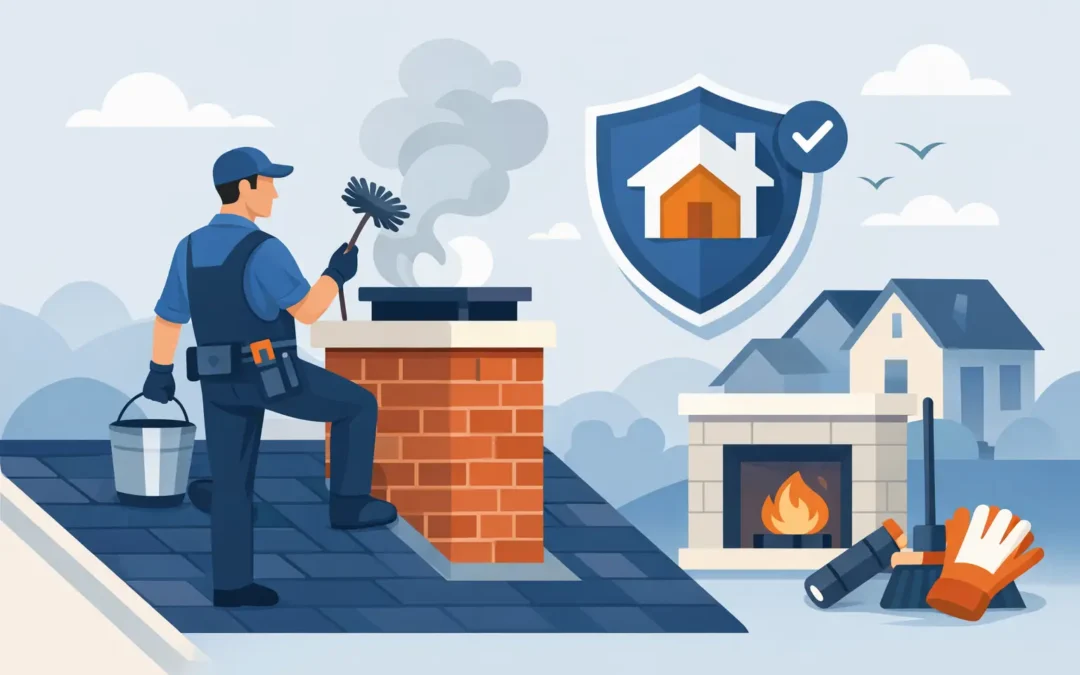
A fire that suddenly will not draw properly, smoke drifting back into the room, or a cold fireplace filling with a stale smell are not jobs to put off until next winter. These are the moments when chimney maintenance services move from a household chore to a safety matter. For homeowners with wood burners, multi-fuel stoves and open fires, regular care keeps the flue clear, the appliance working as intended and the home more comfortable to live in.
A chimney is not just the pot above the roof. It is a working part of your heating system, carrying smoke, gases and soot safely outside. When it is neglected, deposits build up, birds can nest in the flue, and small defects can become expensive problems. The sensible approach is to deal with routine maintenance before you need an urgent call-out.
What chimney maintenance services should cover
For most homes, chimney sweeping is the starting point. A professional sweep removes soot, ash and creosote deposits from the flue, helping gases escape freely and reducing the risk of a chimney fire. The work should be carried out cleanly, with proper protective equipment and suitable brushes or power sweeping equipment for the chimney and appliance.
How often you need a sweep depends on what you burn and how often you use it. Wood-burning and multi-fuel stoves used regularly through autumn and winter commonly need sweeping at least once a year. Some households benefit from more frequent visits, particularly where the stove is used as a main heat source, fuel quality is poor, or the appliance produces heavier deposits. An open fire burning coal or wood may also need more regular attention.
Sweeping alone does not answer every problem. Good chimney maintenance services can include CCTV chimney inspections for hidden faults, bird nest removal where a flue is blocked, cowl fitting to improve protection at the chimney pot, and advice on smoke or downdraught issues. If there is damage to the flue, a failing liner, or a new stove is being fitted, specialist work such as chimney lining or twin-wall flue installation may be needed.
The right service depends on the cause, not just the symptom. A smoky room could be caused by a dirty flue, but it could also point to an unsuitable cowl, poor airflow in the property, a cold external chimney, a blockage or an incorrectly sized flue. Guesswork can waste money. A proper inspection gives you a clearer answer.
Signs your chimney needs attention
Do not wait for black smoke or an obvious blockage. Chimneys often give quieter warnings first. If your stove is slower to light than usual, struggles to keep a flame, or sends smoke into the room when the door is opened, arrange a check. A persistent smoky smell, soot falling into the fireplace, tar-like staining, or a noticeable change in draw are also worth investigating.
Bird activity around the chimney pot in spring and early summer deserves attention. Jackdaws and other birds can build substantial nests surprisingly quickly, and a blocked flue should never be used. A nest may be visible from below, but many are deeper in the chimney and need safe removal. Timing matters too, as active nests and protected wildlife must be dealt with responsibly.
Water marks around the fireplace or damp patches in the chimney breast are another reason to ask for professional advice. The source may be damaged flaunching around the pot, failed pointing, a faulty cowl or rain entering an unused flue. Sweeping will not fix a water ingress issue, but identifying it early can prevent further damage inside the property.
Why fuel and daily use make a difference
The fuel you burn has a direct effect on your chimney. Wet or unseasoned wood burns poorly, creates more smoke and leaves heavier deposits in the flue. Dry, properly seasoned wood or suitable smokeless fuel burns cleaner and makes life easier for both the stove and chimney. It is a practical choice that can reduce cleaning needs, though it does not remove the need for regular sweeping.
How you run the stove matters as well. Slumbering an appliance for long periods with the air controls shut down can encourage tar and creosote build-up. Burning hot, clean fires in line with the manufacturer’s guidance is generally better for the flue than repeatedly running a stove at a low, smoky temperature. If you are unsure whether your appliance is operating correctly, a stove service can be as useful as a chimney sweep.
A service checks the condition of components such as door seals, fire bricks, baffles and rope seals. These parts wear over time. A poor door seal, for example, can affect control of the burn and make the appliance less efficient. The exact checks vary by stove model, age and condition, so it is worth using someone familiar with solid fuel appliances rather than treating every stove as the same.
Inspections, cowls and repairs: when a sweep is not enough
A CCTV inspection is particularly useful when a problem cannot be seen from the fireplace or roof level. A camera can reveal loose debris, damaged liners, bends in the flue, old construction issues or restrictions that a standard sweep cannot fully explain. It is also a sensible step before relining a chimney or installing a new stove into an older property.
Chimney cowls can be helpful, but they are not a cure for every draught problem. The correct cowl may help keep rain and birds out, reduce wind-related downdraught and improve performance in an exposed location. The wrong type can restrict the flue or fail to address the real cause. Chimney height, local wind patterns, the appliance and nearby buildings or trees all need to be considered.
Likewise, chimney lining is valuable where an existing flue is damaged, too large for the appliance, or unsuitable for safe operation. It is not automatically required for every older chimney. A qualified assessment should establish whether a liner is necessary and what specification is appropriate. This is where trained, registered tradespeople make a real difference: the work is safety-critical, and a cheap shortcut can create a costly problem later.
Choosing a local chimney professional
When inviting someone into your home to work on a flue or stove, look beyond the lowest price. Ask what the visit includes, whether they are trained for the work being undertaken, and whether you will receive confirmation after a sweep or inspection. For installation work, suitable registration and knowledge of current requirements are especially important.
A local provider should also be willing to explain findings in plain language. You need to know whether the chimney is ready to use, what work is recommended, what can wait and why. Not every issue requires major work immediately. A loose cowl may be a straightforward repair; a cracked liner or persistent carbon monoxide concern needs more urgent action.
Thurnby Chimney Sweeps provides sweeping, stove servicing, CCTV inspections and practical chimney repairs for homeowners across Leicestershire. As a family-run business with ICS training and HETAS registration, the focus is on clear advice, fair pricing and work that suits the condition of your chimney rather than a one-size-fits-all answer.
A simple maintenance routine for the year
The easiest time to book a sweep is before the main heating season starts. Late summer and early autumn are popular because they give you time to deal with any findings before the stove is needed every day. If you use your appliance heavily, consider scheduling the next visit as soon as the current one is complete.
Between appointments, empty ash safely, check that air vents are not blocked, and keep an eye on changes in how the fire burns. Use the fuel recommended for your appliance and make sure a carbon monoxide alarm is fitted in the room, tested regularly and replaced in line with its manufacturer’s instructions. An alarm is a vital warning device, but it is not a substitute for a clean, sound flue.
If anything changes – smoke enters the room, the chimney smells strongly, debris falls into the hearth, or you suspect a blockage – stop using the appliance until it has been checked. A prompt inspection is usually far less disruptive than dealing with smoke damage, a chimney fire or a failed installation when the weather turns cold.
A well-maintained chimney should be something you rarely have to think about. Book the routine work, act on warning signs and use a qualified local professional when the issue is beyond a straightforward sweep. That leaves you free to enjoy the warmth of your stove or fire with greater confidence.