
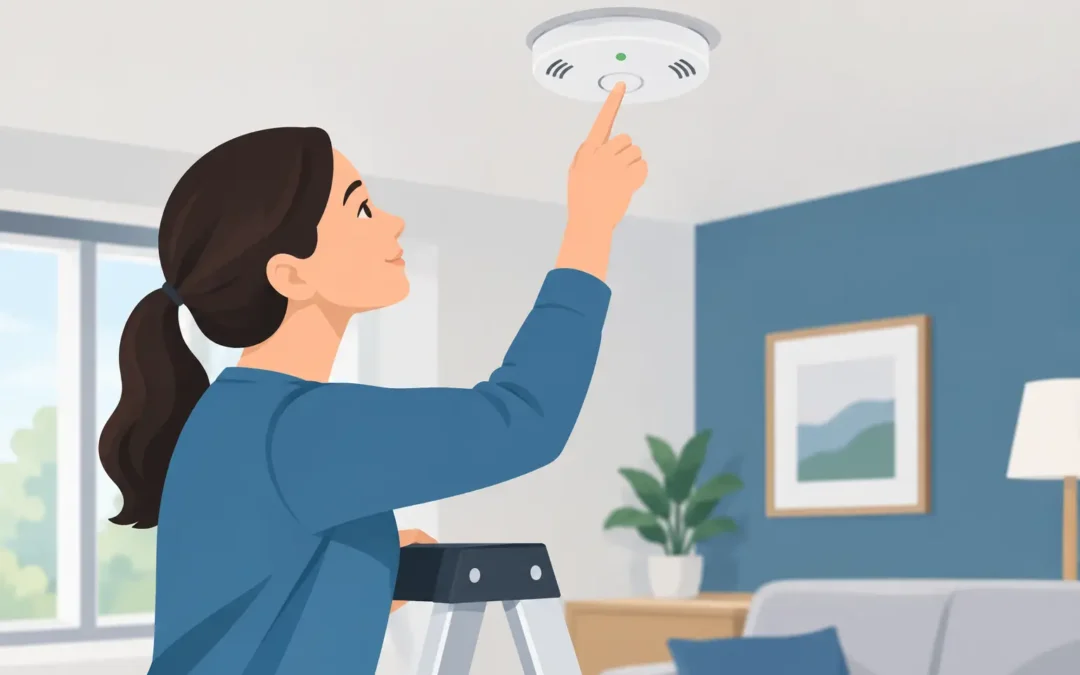
A carbon monoxide alarm is a small device with a very serious job. If you have a wood burner, multi-fuel stove, open fire, gas boiler or any other fuel-burning appliance, you should test carbon monoxide alarms regularly and know what the different sounds mean. A working alarm gives your household an early warning of a gas you cannot see, smell or taste.
Carbon monoxide is produced when fuel does not burn properly. Poor ventilation, a blocked chimney, a damaged flue, a poorly fitted appliance or a fault with the appliance itself can all contribute. An alarm is not a substitute for proper maintenance, but it is an essential part of a safe home.
Why testing carbon monoxide alarms matters
Carbon monoxide can make people unwell quickly, and prolonged exposure can be fatal. Early symptoms may include headache, dizziness, nausea, tiredness, confusion and breathlessness. They are easy to mistake for flu or a winter bug, particularly when several people in the house feel unwell at the same time.
The risk is not limited to older properties or open fires. A modern stove installation still needs the correct flue, ventilation and ongoing servicing. Chimneys can become restricted by soot, tar deposits, bird nests or debris. Appliances can develop faults. Even changes to the house, such as a new extractor fan, replacement windows or a loft conversion, can affect the way a chimney draws.
Testing takes very little time. The point is to make sure the alarm can warn you when it is needed, rather than discovering a flat battery or failed unit at the worst possible moment.
How to test carbon monoxide alarms at home
Start by checking the manufacturer’s instructions for your particular model. Alarm designs differ slightly, especially where sealed long-life batteries and digital displays are concerned. In most cases, testing is straightforward.
Use the test button
Press and hold the test button until the alarm sounds. It may take a few seconds. The sound should be loud and clear. On a digital alarm, the display may light up or show a test message as well.
This test checks that the alarm has power and that the sounder and basic electronics are working. It does not mean there is carbon monoxide in the room, and it does not prove that the chimney, flue or appliance is safe to use. Think of it as checking that your warning system can call for attention.
If the alarm is difficult to hear from bedrooms or another floor, consider whether its position is suitable. Do not move it without checking the manufacturer’s siting guidance first. Carbon monoxide alarms are generally fitted in the same room as a fuel-burning appliance, but exact placement matters. They should not be tucked into corners, placed right beside a stove, or installed where steam, cooking fumes or draughts could affect them.
Test to the manufacturer’s schedule
Many manufacturers advise testing alarms weekly. Others set out a different routine, so the instructions supplied with your unit should be followed. A simple habit helps: test alarms on the same day each week, or add a reminder to your phone or calendar.
If you have recently returned from a holiday, carried out building work, replaced batteries or had a power cut affecting a mains-powered alarm, it is sensible to test it again. Dust and decorating can also affect alarms, so give the outside of the unit a gentle vacuum with a soft brush attachment where the manufacturer permits it. Never spray cleaning products, paint or air freshener directly onto an alarm.
Do not test with smoke or fumes
Do not hold an alarm over a candle, place it near stove fumes, run a vehicle in a garage, or try to create carbon monoxide to see whether it activates. This is dangerous and could expose your family to harmful gases.
There are specialist test products for some alarm models, but these should only be used where the manufacturer specifically approves them and gives clear instructions. For most homeowners, the built-in test button and regular professional maintenance of appliances and flues are the right approach.
Understand the sounds your alarm makes
A full alarm is different from an occasional chirp. Your instructions should explain the exact pattern, but it is worth taking every sound seriously until you know its cause.
A loud, repeating alarm can indicate carbon monoxide. Treat it as a real warning. Open doors and windows if it is safe to do so, turn off fuel-burning appliances if you can, leave the property and call the appropriate emergency service or fuel supplier for advice. Do not go back inside simply because the sound stops.
A short chirp at intervals is often a low-battery warning or an end-of-life signal. It is not something to ignore or silence by removing the battery. Replace removable batteries with the type stated in the instructions, or replace the entire alarm if it has reached the end of its working life.
Some alarms also display error codes, fault messages or a low reading. A zero reading does not guarantee that a stove, boiler or chimney is problem-free. It only shows that the alarm is not currently detecting carbon monoxide at that point in the room.
When should a carbon monoxide alarm be replaced?
Every carbon monoxide alarm has a limited sensor life. Many units last between five and ten years, but the date printed on the back or inside the battery compartment is the one that counts. Check both the manufacture date and the stated replace-by date, as they are not always the same.
Sealed ten-year alarms still need regular button tests. A long-life battery means you should not need to change the battery during the alarm’s service life, but it does not make the sensor permanent. When the unit signals end of life, replace it promptly with a suitable alarm rather than trying to reset it indefinitely.
Replace an alarm sooner if it is damaged, has been heavily contaminated during renovation work, fails a test, gets wet, or has repeatedly given fault warnings. For rented homes, landlords have legal duties around smoke and carbon monoxide alarms. Tenants should report a missing, damaged or non-functioning alarm without delay.
An alarm cannot fix a chimney or appliance fault
A carbon monoxide alarm is a final line of warning, not a repair. If an alarm activates, if smoke enters the room, if a stove is difficult to light, or if you notice staining around an appliance, stop using it until the cause has been checked.
With solid fuel appliances, common causes can include a blocked or poorly drawing flue, an unsuitable chimney cowl, a bird nest, a damaged liner, insufficient ventilation or incorrect operation of the stove. Burning wet wood can create excessive deposits in the flue and make matters worse. Only burn properly seasoned wood with a moisture content below 20 per cent, or approved smokeless fuel where suitable for your appliance.
A regular chimney sweep removes soot and combustible deposits, but it also provides an opportunity to spot concerns such as poor draw, loose components or signs of blockage. Where a problem is not obvious, a CCTV chimney inspection can help identify what is happening inside the flue before further work is planned.
For homeowners with a wood burner or open fire in Leicestershire, Thurnby Chimney Sweeps can assess chimney and flue concerns alongside routine sweeping. That practical check is particularly useful if an alarm has sounded, the room smells smoky, or your appliance has started behaving differently.
Keep safety checks as part of your routine
Make alarm testing part of the same routine as checking your smoke alarms, servicing appliances and arranging chimney sweeping. Keep a note of when alarms were installed and when they are due for replacement. It saves guesswork later, especially where there are several alarms in the property.
Most importantly, trust the warning. If a carbon monoxide alarm sounds, get people and pets into fresh air, seek the right emergency advice and do not use the appliance again until it has been properly checked. A few minutes spent testing today is a sensible way to protect everyone under your roof.