
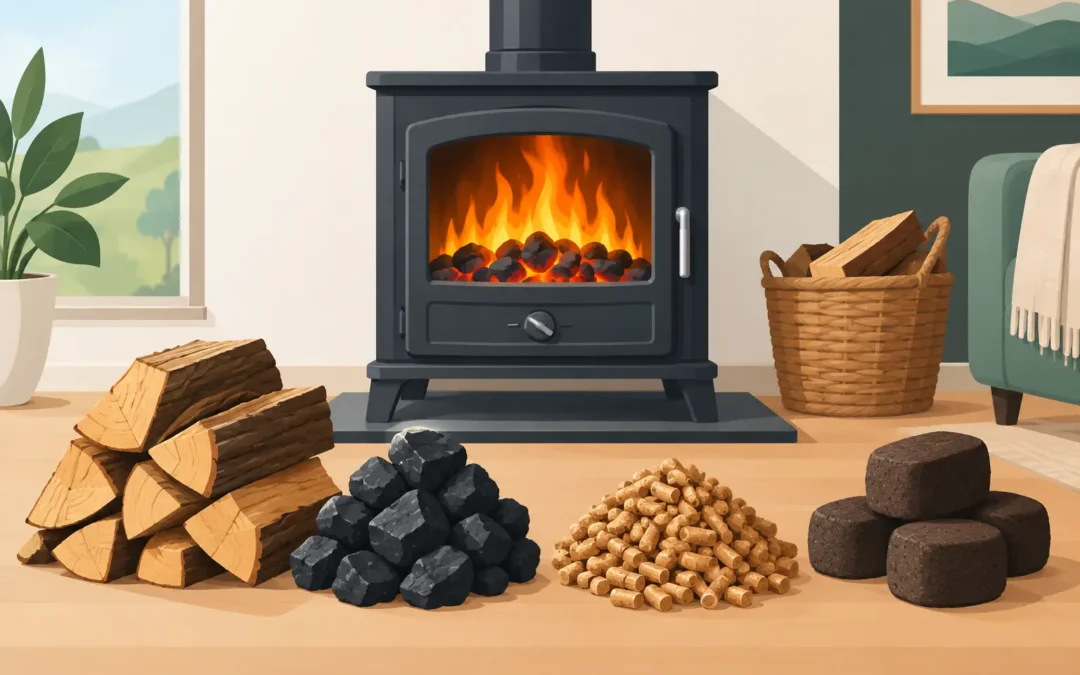
A multi-fuel stove can give excellent, controllable heat, but only when it is fed the right fuel. Choosing the best fuels for multi fuel stoves is not just about getting a brighter flame or a warmer room. It affects how often your chimney needs sweeping, how cleanly the stove burns, and how safely the whole system operates.
The right choice depends on your stove model, whether you live in a smoke control area, and how you prefer to heat your home. A fuel that works well in one appliance can cause problems in another, so always start with the manufacturer’s instructions for your particular stove.
Best fuels for multi fuel stoves
A properly installed multi-fuel stove is designed to burn wood and approved solid fuels, normally with different air settings and grate positions for each. In practical terms, the best option is usually either dry, seasoned wood or an approved smokeless fuel. Both can work well, but they behave differently.
Ready to Burn wood
For many households, dry wood is the most straightforward fuel. Look for wood sold as Ready to Burn, which should have a moisture content of 20% or less. Dry logs light more easily, produce more heat from the fuel you buy, and create far less tar and soot inside the flue.
Hardwoods such as ash, beech and oak are popular because they are dense and tend to burn for longer. They are useful for an evening fire once the stove is properly warm. Softwoods, including pine and spruce, can also be burnt if they are dry and untreated. They generally light quickly and are useful for getting a fire established, although they burn faster and may need topping up more often.
Do not assume that a log is dry because it feels light or has been stored under cover for a few weeks. Freshly cut wood contains a great deal of water and often needs one to two years of suitable storage before it is ready to burn. A simple moisture meter is a worthwhile purchase. Split a log and test the freshly exposed centre, rather than the outside surface.
Wet wood wastes heat boiling off water, leaving the stove struggling to reach a clean burning temperature. It also creates more smoke and deposits in the chimney. This is one of the most common causes of excessive soot, tar build-up and poor stove performance.
Approved smokeless fuels
Smokeless fuels are manufactured or naturally occurring solid fuels designed to burn with less smoke than traditional house coal. They can provide long-lasting, steady heat and are often a good choice for homeowners who want an overnight burn, subject to the stove manufacturer’s guidance.
Choose a fuel that is approved for use in closed appliances and suitable for your stove. Some smokeless products are intended for open fires, while others are made specifically for multi-fuel stoves. The difference matters because stoves burn hotter and more efficiently than an open grate.
Anthracite is a naturally hard, high-carbon fuel with a long burn time, but it is not suitable for every appliance. It can burn very hot and may be difficult to light. Only use it if your stove manufacturer specifically permits it. The same applies to any fuel marketed for long burn times – more heat is not always better if it risks over-firing the stove.
If your property is in a smoke control area, make sure both your appliance and fuel comply with the relevant rules. A DEFRA-exempt stove may burn suitable wood in these areas, but that does not mean every solid fuel or every stove setting is acceptable. If in doubt, check before buying a large delivery.
Quality smokeless briquettes
Smokeless briquettes can be convenient, clean to handle and consistent in size. A good quality product often gives reliable heat and a predictable burn, which makes it easier to manage the stove. They can be particularly useful where log storage is limited.
That said, briquettes vary. Avoid unknown fuels with no clear information about their intended use. Use only products supplied for domestic stoves and follow the recommended loading amount. Filling a stove to the top with a high-energy fuel can lead to excessive temperatures, damaged internal components and warped stove parts.
Wood or smokeless fuel: which is better?
There is no single answer. Wood gives a lively flame, a traditional stove experience and quick heat when it is dry. It is often the preferred choice for room heating in the evening. Smokeless fuel tends to last longer and can provide a more even output, which suits people who want sustained heat over several hours.
Your stove’s operating instructions should guide the decision. When burning wood, multi-fuel stoves normally need more air from above the fire. When burning smokeless fuel, the grate is usually left open to allow air up through the fuel bed. Getting this wrong can lead to a smoky fire, blackened glass and poor heat output.
It is also sensible not to mix fuels randomly in the same fire. A small amount of kindling to establish a wood fire is one thing, but mixing wood with high-heat mineral fuels can make the burn difficult to control. Run one fuel type at a time unless your stove manufacturer states otherwise.
Fuels to keep out of your stove
A multi-fuel stove is not an incinerator. Burning the wrong materials risks damage to the appliance, chimney corrosion, harmful fumes and chimney fires. It may also invalidate a warranty or breach local clean air rules.
Never burn these materials:
- Wet or unseasoned logs
- Painted, varnished or treated timber
- Old fencing, decking or railway sleepers
- MDF, chipboard, plywood or laminate flooring
- Household rubbish, plastic, cardboard packaging or nappies
- Coal intended for open fires, including traditional house coal
Treated timber and manufactured boards can release toxic chemicals when burnt. They also produce corrosive deposits that are hard on stove parts and flue liners. Pallets are another common concern. Even if they appear to be plain wood, they may be treated, contaminated or contain nails and staples. They are not worth the risk.
House coal should not be used in most modern closed appliances. It creates more smoke and can leave heavy deposits in the chimney. It is also restricted for domestic use in many circumstances. Buying cheap fuel that clogs the flue or damages a stove soon becomes expensive.
Store fuel properly for a cleaner burn
Good fuel can be spoiled by poor storage. Keep logs off the ground, with airflow around the stack and a roof or cover over the top. Covering the sides tightly traps moisture, so leave them open where possible. A log store positioned to catch some sun and wind will dry wood more effectively than a dark, enclosed corner.
Smokeless fuels should be stored dry in sealed bags or a covered bunker. Damp solid fuel can break down, become harder to light and make a mess in the stove. Bring a small amount indoors before use so it is not ice-cold or wet from the shed.
It is worth buying from a reputable local supplier rather than choosing fuel on price alone. Consistent, correctly described fuel makes it easier to operate the stove safely and reduces avoidable chimney deposits.
Fuel choice affects chimney sweeping
Even the cleanest fuel leaves combustion by-products behind. Wood ash, fine soot and deposits from solid fuel gradually collect in the flue. The amount depends on the fuel, the moisture content, how the stove is operated and the condition of the chimney.
A stove that smoulders for long periods with the air controls shut down is more likely to create tar and soot than one allowed to burn properly. You should see an active flame after lighting and when refuelling, rather than thick smoke lingering in the firebox. Closing the appliance down too hard to make fuel last is a false economy.
As a general rule, appliances burning wood or smokeless fuel should be swept at least once a year, and more frequently if used heavily. Regular sweeping also gives an opportunity to spot bird nest blockages, liner issues, damaged fire bricks or signs of downdraught before they become a bigger problem.
Keep a carbon monoxide alarm in the same room as the stove, positioned in line with the manufacturer’s instructions. Test it regularly and never ignore an alarm, smoke entering the room or a sudden change in how the stove draws.
The safest, most economical approach is simple: burn dry wood or approved smokeless fuel that suits your appliance, keep the stove burning cleanly, and have the flue checked and swept regularly. If you are unsure what your stove can burn or are noticing smoke, smells or poor draw, Thurnby Chimney Sweeps can help identify the cause before another heating season gets underway.