
Smoke spilling into the room when you light your stove is not something to put up with. An anti-downdraught cowl review should start with the cause of the problem, not simply with a cowl on the chimney pot. The right cowl can make a real difference to a troublesome chimney, but it is not a cure for every smoky fire or poor-performing stove.
For homeowners in Leicestershire, downdraught is often most noticeable on windy days, particularly where a property is exposed, sits below higher ground, or has nearby roofs and trees affecting airflow. A proper assessment helps establish whether a chimney cowl is the sensible answer, or whether the flue, appliance, ventilation or chimney stack needs attention first.
What is an anti downdraught cowl?
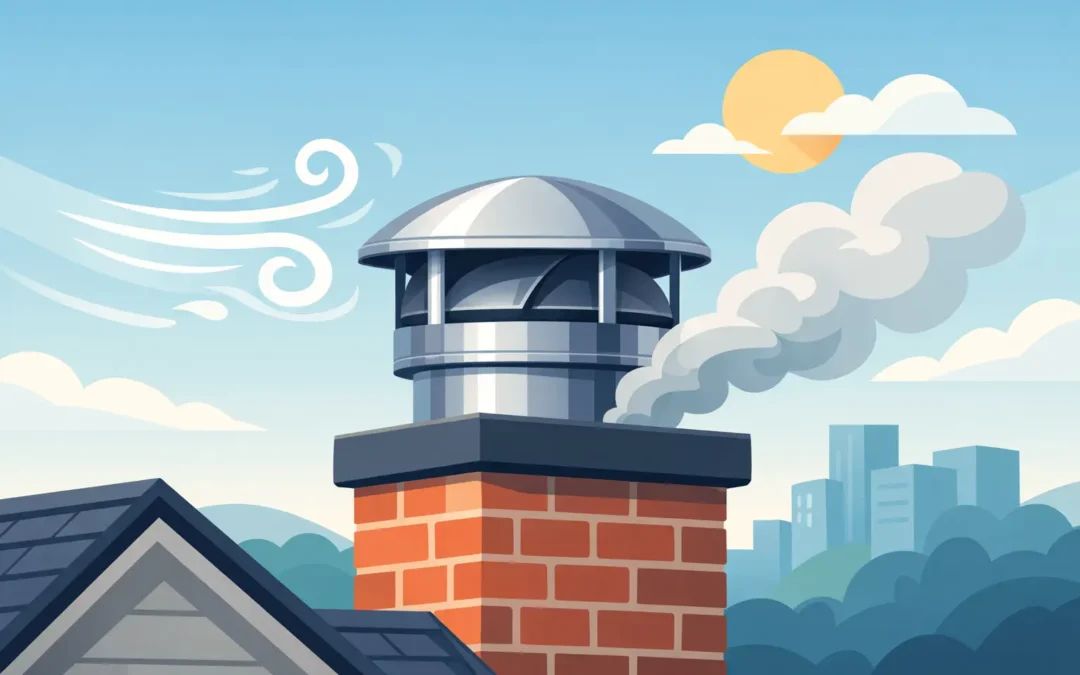
An anti-downdraught cowl is a chimney terminal designed to reduce the effect of wind blowing down a flue. Rather than allowing gusts to enter the chimney opening directly, the cowl uses its shape, hood or rotating head to manage the airflow around the pot.
The aim is to help the flue continue drawing combustion gases upwards, rather than pushing smoke, fumes or cold air back towards the stove or fireplace. Some designs are fixed and have openings positioned away from the prevailing wind. Others rotate with the wind or use a venturi effect to encourage upward draw.
It is worth being clear about what a cowl cannot do. It does not remove soot, fix a blocked flue, correct an undersized liner or make an unsuitable stove installation safe. If the underlying issue is inside the chimney system, fitting a terminal alone can mask the problem for a while without resolving it.
Anti downdraught cowl review: when one is likely to help
A well-chosen anti-downdraught cowl can be very effective where wind turbulence is the main issue. Common signs include smoke entering the room only in certain wind directions, a stove that normally works well but becomes difficult to light during strong gusts, or a cold blast coming down an open fireplace.
Properties with chimney pots close to a taller ridge, neighbouring building or large mature trees can be affected by turbulent air. Wind hits an obstacle, changes direction and can create pressure around the chimney top that interferes with the natural upward pull of the flue. In these cases, a suitable cowl may improve consistency considerably.
They can also offer useful secondary protection. Many cowls help reduce rain entering an open chimney, and some designs discourage birds from nesting in the pot. That said, bird protection should not be confused with a full solution for an existing nest or blockage. A chimney must be inspected and cleared properly before it is used.
The result depends on the chimney and the cowl being matched correctly. A cowl that works well on one detached home may not suit a terraced property with a different flue height, appliance and exposure to wind.
The common cowl types and their trade-offs
Fixed anti downdraught cowls are often the practical choice for many solid fuel installations. They have no moving parts, are generally straightforward to maintain and can provide good protection from wind and rain. Their performance depends on the orientation and design, so the fitter needs to consider the conditions around the property.
Rotating cowls turn to face the wind and can be helpful on very exposed homes. They may improve draw in changeable conditions, but moving parts need checking over time. A cowl that has seized, become sooty or been damaged by weather cannot perform as intended.
There are also static cowls designed to create a low-pressure area above the terminal. These can be a good option where the flue needs support without a rotating mechanism. The important point is not the name on the box. It is whether the product is suitable for the fuel being burned, the diameter and type of flue, and the problem found on site.
For wood-burning and multi-fuel stoves, the cowl must be rated for solid fuel use and high flue gas temperatures. A cheap or inappropriate terminal can corrode, restrict the outlet or create a maintenance headache. It is false economy where a working appliance and household safety are concerned.
A cowl will not fix these chimney faults
Downdraught is sometimes blamed when the real issue is poor draught. Those two faults can feel similar from the living room, but they need different solutions.
A flue that is overdue a sweep may have soot, tar deposits, bird nesting material or other debris narrowing the passage. A chimney liner may be damaged, badly sized or poorly connected. The stove itself may have a baffle or flue outlet blockage. Each of these faults can reduce draw and lead to smoke entering the room.
Ventilation matters too. Modern doors, windows and extractor fans can make a home much more airtight than it once was. If the appliance needs an air supply and cannot get enough replacement air, opening a window slightly may improve its performance. That is a useful clue, but it is not a substitute for checking the installation and its permanent ventilation requirements.
Cold chimneys can also be slow to establish draw, especially after the stove has not been used for several days. Using dry, properly seasoned wood, warming the flue carefully during lighting and following the appliance manufacturer’s instructions will often help. Wet logs create excessive smoke and deposits, and no cowl can compensate for poor fuel.
Why inspection should come before fitting
Before fitting an anti-downdraught cowl, a competent chimney professional should look at the whole system. That normally means checking the chimney pot and stack, inspecting the flue where appropriate, assessing its height and position, and confirming what appliance is connected.
A CCTV chimney inspection can be particularly useful where the cause is unclear or where there are concerns about the liner, bends, obstructions or internal condition. This prevents guesswork and helps avoid fitting a cowl that restricts a flue already struggling to draw.
The condition of the mortar and flaunching around the chimney pot should be considered as well. A loose pot or failing flaunching needs repair before extra weight or wind loading is added at the terminal. Access, roof pitch and safe working arrangements are also part of a proper installation, not an afterthought.
For a stove installation, the terminal arrangement needs to meet the relevant appliance and flue requirements. Clearances, outlet area and suitability for the system all matter. This is why cowl fitting is best treated as a small technical job rather than a quick fix from a ladder.
What to expect after a suitable cowl is fitted
When wind-driven downdraught was the genuine cause, homeowners often notice that lighting is easier and smoke is less likely to enter the room during gusty weather. The stove may feel more predictable, particularly when the wind is from the direction that previously caused trouble.
A cowl should not make a stove roar uncontrollably or turn a weak flue into a strong one overnight. If performance remains poor after fitting, further investigation is needed. Do not keep altering the air controls or burning hotter in an attempt to force the problem away.
Continue with regular chimney sweeping and stove servicing. Cowls sit at the top of the system, where they collect weather, soot and debris, so they should be checked as part of routine maintenance. If you smell fumes, see persistent smoke in the room or notice a carbon monoxide alarm sounding, stop using the appliance and arrange professional advice straight away.
Is an anti downdraught cowl worth it?
Yes, when wind turbulence at the chimney terminal has been identified as the cause. In that situation, a quality cowl fitted correctly can be a sensible, long-lasting improvement. No, when the chimney is blocked, the flue is faulty, ventilation is inadequate or the appliance is being used with unsuitable fuel.
The fairest anti-downdraught cowl review is therefore not about declaring one design best for every home. It is about getting the chimney assessed first, then fitting the right solution for the property. Thurnby Chimney Sweeps can inspect the cause of a downdraught problem and give straightforward advice, so you can use your stove or fireplace with greater confidence.