
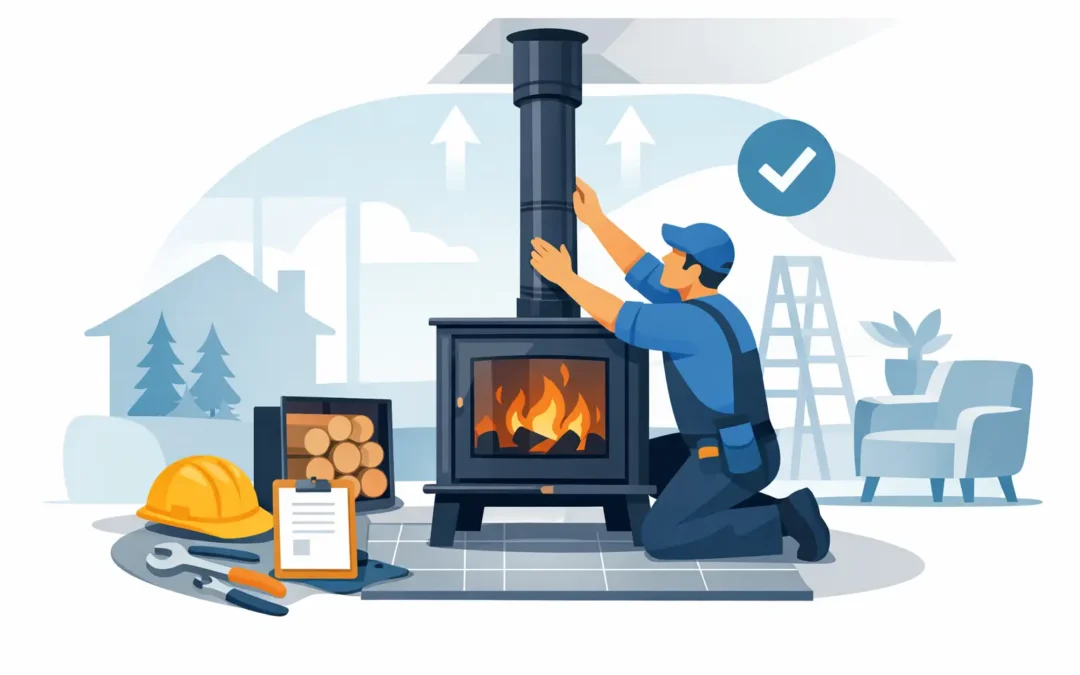
A stove can transform a cold room, but only if it is fitted properly. Wood burning stove installation is not a job to rush, and it is not one where guesswork is good enough. The stove itself is only part of the system. The chimney, flue, hearth, air supply and clearances all need to work together if you want safe, efficient heat and no nasty surprises once the fire is lit.
For many homeowners, the first question is simple – can a stove go where the old fireplace is? Sometimes yes, sometimes no. An existing chimney can be suitable, but age, damage, poor draw, incorrect sizing or old blockages can all change the picture. That is why a proper survey matters before any installation begins.
What wood burning stove installation really involves
A lot of people picture the job as placing a stove in the opening and connecting a pipe. In practice, there is more to it. A safe installation usually starts with checking the condition of the chimney or deciding whether a twin wall flue system is needed. The opening may need altering, the hearth may need bringing up to standard, and the flue route must suit the appliance.
The stove also needs to be the right size for the room. Bigger is not always better. An oversized stove can be awkward to run properly and may spend too much time slumbering, which encourages soot and tar deposits. A stove that is too small will struggle to heat the space and may be pushed too hard. Good advice at the start saves money and trouble later.
There is also the matter of compliance. A wood burning stove installation should meet Building Regulations and be signed off correctly. This is where using a qualified, registered installer makes a real difference. It gives you confidence that the work has been carried out to the proper standard and that the paperwork is in order.
Choosing the right location
The best position for a stove depends on the room layout, the route for the flue and the construction of the property. In homes with an existing chimney breast, the natural place is often the original fireplace opening. Even then, it may need repair work, a new chamber finish or a flue liner.
If there is no usable chimney, that does not rule out a stove. A twin wall insulated flue can often be fitted through the room and out through the roof or wall, depending on the property. This gives more flexibility, but the route still needs careful planning. Flue height, bends, nearby windows and roof position can all affect performance.
This is one of those areas where there is no one-size-fits-all answer. A neat-looking stove in the wrong position can still produce smoke issues or poor draw. A practical layout that suits the flue system will nearly always serve you better in the long run.
Why the chimney and flue matter as much as the stove
The stove gets the attention, but the chimney system does the hard work of carrying combustion gases away safely. If the flue is the wrong size, damaged, leaking or heavily sooted, the appliance will never perform as it should. Smoke spillage, weak draw and tar build-up are all common signs of a flue problem.
In many older properties, fitting a liner is the sensible option. It can improve draw, protect the chimney structure and match the flue size more closely to the stove. Not every chimney needs the same solution, though. The right liner depends on the appliance, fuel type and condition of the chimney.
Where no masonry chimney exists, a correctly fitted twin wall flue system provides a safe route for exhaust gases. It must be installed with the right clearances from combustible materials and properly supported throughout its run. That is not the place for shortcuts.
Air supply, ventilation and room safety
A stove needs air to burn properly. In some homes, especially newer or more airtight ones, extra ventilation may be required. Without it, the fire can burn poorly, the stove may be difficult to control and fumes may not clear as they should.
This catches people out because modern houses often feel well sealed and comfortable, but that same airtightness can work against solid fuel appliances. The solution may be straightforward, though it needs to be assessed properly rather than guessed.
A carbon monoxide alarm is another must. It is a basic but vital safety measure and should be treated as part of the installation, not an optional extra. Safe stove use always starts with safe stove fitting.
The importance of the hearth and clearances
The hearth is not just there for appearance. It protects the floor from heat and stray embers and must meet the correct requirements for the appliance and setting. Size, thickness and projection all matter.
Clearances around the stove matter too. Walls, beams, mantels, furniture and floor finishes all need proper separation from heat. In older homes, where timber features are common, these checks are especially important. A stove can look compact, but the heat around it can be considerable.
This is another reason experienced installers are worth having. They know what to look for before the first fire is ever lit.
Common problems that should be sorted before installation
A surprising number of installations are delayed by issues that only come to light during inspection. Bird nests, heavy soot deposits, crumbling flaunching, damaged chimney pots and long-standing blockages are all fairly common. So are damp chimney breasts caused by poor ventilation or unused flues left in bad condition.
Downdraught can also be a factor, particularly in exposed areas or where nearby roofs and trees affect airflow. If a property already has a history of smoky fireplaces, that should be investigated before a new stove is fitted. Installing the appliance without solving the root cause usually leads to disappointment.
This is where using one company for inspection, sweeping, installation and aftercare can make life easier. The job is simpler when the same team can assess the chimney properly, carry out any preparatory work and fit the stove with the whole system in mind.
What happens on installation day
Once the survey and planning are done, the fitting itself is usually quite straightforward, though the exact timescale depends on the work involved. The chimney may need sweeping first. A liner may be installed, the register plate fitted, the stove positioned and connected, and the flue tested. The hearth or chamber may also need finishing work.
After fitting, the appliance should be commissioned properly. That means checking performance, confirming the draw, advising on fuel use and making sure you understand how to operate the stove safely. You should not be left with a warm appliance and no idea how to use it.
The certification side matters as well. With registered installers, the work can be self-certified, giving you the paperwork you need for compliance and future peace of mind.
Aftercare matters more than people think
A good installation is only the start. Stoves and flues need regular sweeping and periodic servicing if they are to stay safe and efficient. Burning wood that is not properly seasoned creates excess smoke and deposits. Running the stove too low for long periods can do the same.
Regular maintenance helps prevent chimney fires, poor burning and smoke problems. It also gives you the chance to pick up wear and tear before it becomes expensive. Rope seals, fire bricks, baffles and flue components all take strain over time.
For homeowners in Leicestershire, having a local team who can install the stove and then maintain it year after year is often the most sensible route. That continuity matters. It means the people servicing the appliance understand how it was fitted and what the chimney system is doing over time.
Choosing the right installer
Price matters, but it should not be the only thing you compare. With wood burning stove installation, the standard of workmanship affects safety, efficiency and how much you enjoy using the stove. A cheap job can become an expensive one if smoke issues, poor draw or non-compliant work have to be corrected later.
Look for proper registration, relevant training, clear advice and a willingness to inspect the full chimney system rather than just quote for fitting the stove. Honest installers will tell you when extra work is needed and when it is not. That straight answer is worth a lot.
At Thurnby Chimney Sweeps, that practical approach matters because homeowners want more than a stove that looks good on day one. They want a system that burns cleanly, works safely and gives reliable heat when the weather turns.
If you are thinking about a stove, the best first step is not choosing the prettiest model. It is getting the chimney, flue and room assessed properly, so the finished job is safe, compliant and built to last.