
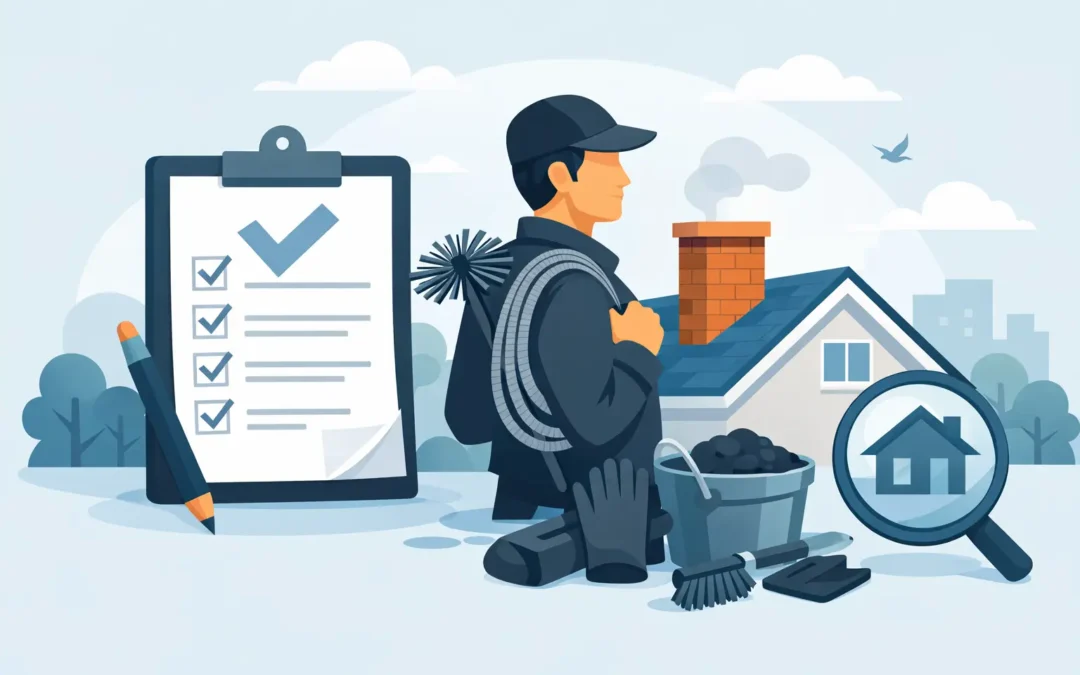
That first cold evening when you light the stove should feel cosy, not worrying. If the fire is sluggish, smoke drifts back into the room, or you cannot remember the last sweep, it is time to work through a proper chimney sweeping checklist. A little preparation makes the visit easier, helps spot warning signs early, and gives you more confidence that your fireplace, stove and flue are safe to use.
For most homeowners, chimney maintenance gets left until there is a problem. That is understandable. Chimneys are out of sight, and if the fire still lights, many people assume all is well. The trouble is that soot, tar, bird activity and general wear do not always show themselves straight away. By the time you notice a strong smoky smell or poor draw, the flue may already be heavily restricted.
Why a chimney sweeping checklist matters
A chimney is not just a passage for smoke. It is part of a working system that needs to vent combustion gases safely and consistently. If soot and creosote build up, the fire risk rises. If there is a blockage, fumes can be forced back into the room. If the appliance, liner or terminal has a fault, sweeping alone may not solve it.
That is why a checklist is useful. It helps you look at the whole picture rather than treating chimney sweeping as a one-off job. For some homes, an annual sweep is enough. For others, especially where a wood-burning or multi-fuel stove is used regularly through winter, more frequent attention is often the safer option.
Your chimney sweeping checklist before booking
Start with how often the appliance is used. A fireplace lit a handful of times over Christmas does not produce the same level of deposits as a stove running most evenings from October to March. Fuel type matters as well. Burning wet wood, poor-quality fuel or unsuitable materials tends to create heavier residue and more trouble in the flue.
Next, think about performance. Has the fire become harder to light? Does smoke spill when you open the stove door? Are you noticing blackened glass sooner than usual, or a stronger tarry smell around the fireplace? None of these signs automatically means there is a serious fault, but they do suggest the system needs attention.
It is also worth checking the history. If you have moved into the property and there is no record of recent sweeping, book one. If a stove has been installed, altered or used after a long period of disuse, a sweep and visual inspection are sensible before relying on it.
What to check around the fireplace or stove
Before the chimney sweep arrives, look at the area around the appliance. You are not trying to diagnose technical faults yourself. The aim is to spot anything obvious that should be mentioned during the visit.
Check whether the stove door seals properly and whether the rope seals look worn, flattened or loose. Look for cracks in fire bricks, damage to baffle plates, and any signs that components are out of place. With an open fire, pay attention to loose debris in the grate, damaged firebacks or unusual staining around the opening.
Also notice the room itself. Persistent smoky odours, black marks above the fireplace, or dusting of soot where it should not be can point to draw issues or leakage. If you have had downdraft problems in windy weather, mention that too. The sweep may recommend further investigation, a cowl, or a CCTV inspection if the symptoms suggest more than a routine soot build-up.
A practical chimney sweeping checklist for the day
A bit of simple preparation helps the appointment run smoothly and keeps mess to a minimum. Let the fire go out fully in good time. Ash should be cold before any work starts. If the stove has been used the same day, the sweep may have to postpone for safety.
Clear the area around the hearth. Move rugs, ornaments, baskets of logs and small furniture back to give proper working space. Keep pets and children away from the room while the sweep is being carried out. If there is a parked car blocking access to an outside flue point or chimney stack area, move that as well if requested.
It also helps to have a few details ready. Know what type of appliance you have, roughly how often you use it, and whether you burn seasoned logs, smokeless fuel or a mix. Mention any recent issues such as bird noise in the chimney, falling debris, damp patches on the breast, or smoke entering upstairs rooms. Those small details can make a big difference.
What a professional sweep should be looking for
A proper chimney sweep is not just about pushing brushes through a flue. A trained professional should be assessing the condition and performance of the system as they work. That includes the amount and type of soot deposits, any signs of tar glazing, evidence of blockage, and obvious wear to the appliance and accessible flue parts.
They should also be able to tell you when a sweep is straightforward and when the signs point to something more. For example, a heavy bird nest may need specialist removal rather than routine sweeping. A damaged liner, persistent downdraft, or suspect chimney pot may need repair or further testing. If a chimney has not been used for years, there may be loose masonry or hidden defects that only become clear on inspection.
This is where qualifications and experience matter. A certified, properly trained sweep will know the difference between normal soot, problem deposits and structural warning signs. That matters for safety, but it also saves you money by making sure the real fault is dealt with rather than masked.
When sweeping alone may not be enough
Sometimes a chimney keeps misbehaving even after it has been cleaned. That usually means the issue sits elsewhere in the system. Poor draw might be caused by flue design, terminal position, lack of ventilation, or adverse wind conditions. Repeated blockages can point to nesting birds, deteriorating flaunching, or chimney pot problems.
If there has been a chimney fire, even a minor one, do not assume a sweep puts everything right. The liner or flue structure may have been damaged and should be assessed properly. The same applies if you notice bits of liner, masonry or nest material falling into the fireplace.
A CCTV inspection is often the sensible next step where symptoms do not match a routine build-up of soot. It gives a clearer picture of what is happening inside the flue and helps decide whether sweeping, repair, lining or another remedy is needed.
How often should you use this chimney sweeping checklist?
For many households, the right answer is at least once a year, but it depends on how the appliance is used. A stove that works hard through the colder months often benefits from more regular sweeping. Open fires can vary widely. Some produce light use and little residue, while others are used often enough to need closer attention.
Fuel quality changes the picture. Dry, well-seasoned wood generally burns cleaner than wet timber, but even a well-run stove still creates deposits over time. If you burn solid fuel regularly, ask your sweep what schedule suits your appliance and usage rather than relying on a one-size-fits-all rule.
It is also sensible to run through the checklist before the heating season starts. Booking in early autumn is often easier than waiting for the first cold snap, when everyone suddenly realises they need the chimney sorted.
Choosing the right sweep
Homeowners in Leicestershire are often less worried about finding the cheapest price than finding someone reliable who knows what they are doing. That is sensible. A chimney is a safety-critical part of the home, so clear pricing, proper training and recognised certification all matter.
Look for a business that can explain what is included, turn up when promised, and advise honestly if the problem goes beyond a basic sweep. If your property has a stove, flue liner, recurring downdraft or signs of a nest, it helps to use a company that can deal with the wider system too. That is often more practical than calling one person to clean and another to diagnose the fault.
At Thurnby Chimney Sweeps, that joined-up approach is a big part of the service. For homeowners, it means fewer grey areas and more confidence that the advice you get matches the condition of the chimney in front of you.
A good checklist does not replace a trained eye, but it does make you a better-informed homeowner. If something feels off with your fire, stove or flue, trust that instinct and get it checked before the next log goes on.