
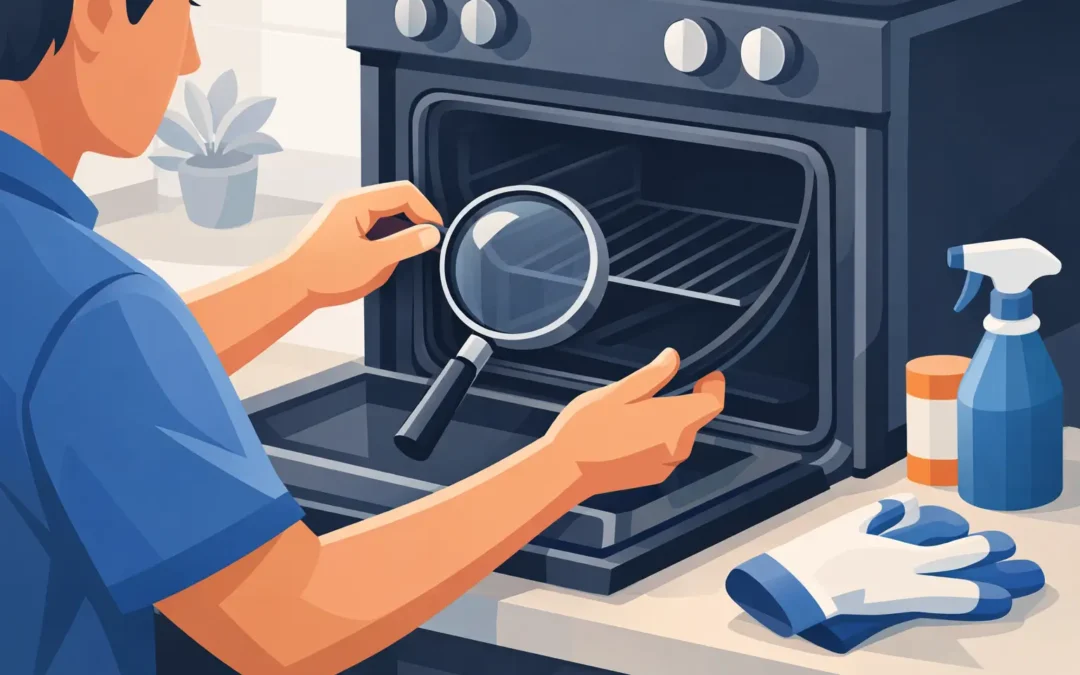
A stove door that will not seal properly can turn a controlled fire into an unpredictable one. Knowing how to inspect stove seals helps you spot wear before it leads to excess smoke, poor control of the burn, blackened glass or fumes entering the room. It is a straightforward check for most homeowners, but it must always be done with the appliance completely cold.
Stove seals are not simply there to keep the door quiet when it closes. They control the amount of air reaching the firebox. When the seal is worn, crushed or detached, the stove can draw in unwanted air. That may make it burn too fiercely, use more fuel and put extra strain on the appliance and flue system.
Which stove seals should you check?
Most wood-burning and multi-fuel stoves have a rope gasket fitted around the inside edge of the main door. This is usually the seal that needs the closest attention. It may be soft braided rope, in a round or flat profile, held in place with high-temperature adhesive.
Many appliances also have seals around the glass, ashpan door, riddling mechanism or access covers. The exact arrangement depends on the make and model. Check the stove manual before removing anything, as glass clips and internal components can vary considerably.
The door seal is the main priority because even a small gap can affect how the stove performs. If your stove has recently become difficult to control, continues burning when the air controls are closed, or seems to consume logs faster than usual, a faulty door seal is one possible cause. It is not the only cause, though. Fuel quality, chimney draw and an installation issue can produce similar symptoms.
How to inspect stove seals step by step
Wait until the stove, ash and surrounding metalwork are fully cold. Do not inspect or touch the rope seal after a fire, even if the stove appears to have cooled down. Ash can retain heat for much longer than expected.
Open the door and look closely around the full length of the rope gasket. A sound seal should sit evenly in its channel, with no obvious breaks or sections pulling away from the door. It will usually feel slightly soft and springy when pressed gently.
Look for rope that is flattened hard, frayed, brittle, loose or missing in places. Pay particular attention to the corners and the section near the door catch, as these areas take repeated pressure. A small amount of surface discolouration is normal. What matters is whether the rope still has enough depth and resilience to seal against the stove body.
Run a finger carefully around the seal to check that it is firmly attached. If it comes away easily, has become stiff like cement, or leaves a clear gap at a join, it is unlikely to be doing its job properly. Do not pull firmly on it. An older rope seal can break apart and make it harder to judge its original condition.
Next, inspect the metal surface the seal closes against. Remove loose ash or debris with a soft brush or a vacuum designed for cold ash. Bits of ash, dried fire cement or a damaged door frame can prevent a good seal even where the rope itself looks acceptable.
Try the paper test
The paper test is a useful basic check, but it is not a substitute for professional servicing. Place a strip of ordinary paper between the cold stove door and the body, then close and latch the door. Gently pull the paper.
A good seal should grip the paper with noticeable resistance. Repeat the test at several points around the door, including the top, bottom and both sides. If the paper slides out easily at one spot but grips elsewhere, that can indicate a local gap, a compressed section of rope or a door that needs adjustment.
Do not force the door shut on thick card, as this can damage the seal or affect the result. Equally, do not assume a tight paper test proves every part of the appliance is airtight. It is simply a practical way to identify an obvious issue.
Check the glass and ashpan seals
If your stove has a rope or tape gasket around the glass, inspect it through the glass clips where possible. Signs of a problem include smoke staining around the glass edge, a visible gap, loose clips or a glass panel that rattles when the stove is cold. Never over-tighten glass clips. Stove glass expands when heated and excessive pressure can cause it to crack.
On a multi-fuel stove, check the ashpan door and any access panels as well. Ash escaping around the ashpan, difficulty regulating the fire, or a door that will not close squarely can point to a seal or alignment issue. Empty the ashpan regularly, as an overfilled pan can obstruct the door and create unnecessary wear.
Signs that a seal may need attention
A seal can look acceptable at a glance yet still be past its best. Watch for changes in how your stove behaves, especially if they have developed gradually over a heating season. Common warning signs include:
- The stove burns very fast or becomes difficult to slow down with the air controls.
- Smoke or a strong smoky smell appears around the door when lighting or refuelling.
- The door paper test is loose at one or more points.
- The glass blacks up unusually quickly, despite using suitable dry fuel and following the manufacturer’s lighting advice.
- The rope seal is frayed, flattened, detached or visibly incomplete.
Blackened glass alone does not always mean the seal has failed. Wet wood, slumbering the stove, a cool flue and restricted airflow can all contribute. Likewise, smoke entering the room can be caused by a blocked flue, poor chimney draw, a bird nest or an unsuitable cowl. This is why it is sensible to consider the stove and chimney as one working system rather than focusing on one component in isolation.
When should a stove seal be replaced?
There is no fixed replacement interval for every stove. A seal may last several years in a lightly used appliance, while a stove used daily through winter may need attention sooner. The condition of the rope and the result of the door test are more useful than replacing it simply because a certain amount of time has passed.
If the rope is damaged or the door is clearly leaking, stop using the stove until the issue has been assessed and corrected. An air leak can lead to over-firing, which may damage internal firebricks, baffles, grates and the flue. It can also make a room smoky and uncomfortable.
Replacing a rope seal is sometimes a manageable job, but it depends on the appliance. The rope diameter and profile must match the manufacturer’s specification, the old adhesive must be removed properly, and the door may need adjustment afterwards. Fitting a seal that is too thick can strain the latch. One that is too thin may not seal at all.
For this reason, a service is often the best time to have seals checked. A competent stove technician can inspect the door alignment, hinges, glass fixings, baffle, firebricks and air controls at the same time. They can also identify whether the apparent seal problem is actually being caused by the flue or chimney.
Do not overlook carbon monoxide safety
A carbon monoxide alarm is essential in the room where a solid fuel appliance is installed. Test it regularly in line with the manufacturer’s instructions and replace it by its stated expiry date. An alarm is a vital warning device, but it does not diagnose the source of a problem or make it safe to continue using a faulty stove.
If a carbon monoxide alarm sounds, leave the property, get everyone into fresh air and seek urgent advice from the appropriate emergency service or gas emergency contact as applicable. Do not go back inside to investigate the stove yourself.
Arrange regular chimney sweeping as well as stove maintenance. A clear flue, suitable fuel and properly functioning seals all play a part in safe, efficient burning. If you are unsure what you have found, Thurnby Chimney Sweeps can inspect the appliance and chimney system and give straightforward advice on the next safe step.
A few minutes spent checking a cold stove door before the heating season can prevent a small worn gasket becoming a much bigger problem when you rely on the fire most.