
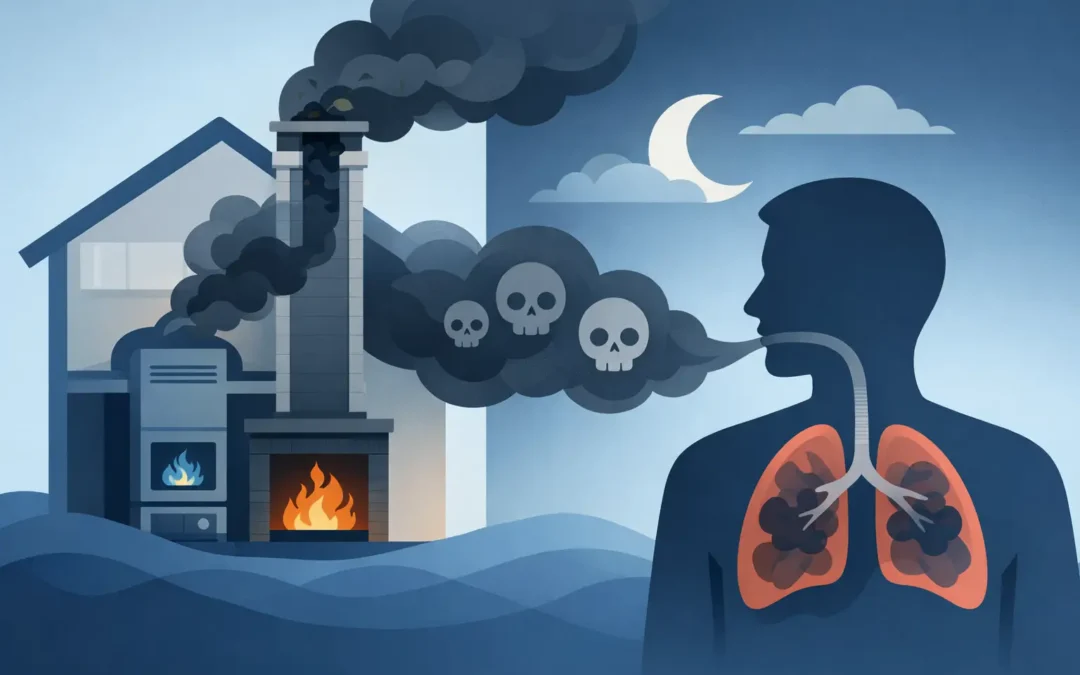
If your stove starts smoking back into the room, your fire seems sluggish, or you notice odd fumes indoors, don’t ignore it. Can a blocked flue cause carbon monoxide? Yes, absolutely – and it is one of the more serious risks linked to a chimney or flue that is not venting properly.
Carbon monoxide is dangerous because you cannot see it, smell it or taste it. When solid fuel, wood, coal, petrol or oil burns, the appliance needs the right airflow and a clear route for the fumes to leave the property. If that route is restricted, combustion gases can build up and spill back into the room instead of safely exiting through the chimney or flue.
Why a blocked flue can lead to carbon monoxide
A flue has one main job – to carry waste gases from the appliance to the outside. If it is partially or fully blocked, those gases have nowhere to go. That can interfere with the way the fire burns and increase the chance of incomplete combustion, which is one of the main ways carbon monoxide is produced.
This is where people sometimes get caught out. A flue does not have to be completely sealed off to create a problem. Even a partial blockage can reduce draw, upset airflow and cause fumes to spill back indoors. In real homes, that might mean a bird nest at the top of the chimney, fallen masonry, heavy soot deposits, tar build-up, or a liner fault that narrows the passage.
The exact level of risk depends on the type of appliance, the extent of the blockage, and how the flue system has been installed. A wood-burning stove with poor draft behaves differently from an open fire, and both behave differently from a petrol appliance. But the basic principle is the same – if fumes cannot escape as they should, carbon monoxide becomes a real concern.
What actually blocks a flue?
In Leicestershire, we regularly see a handful of common causes. Bird nests are a big one, especially in spring and early summer. Jackdaws are well known for filling a chimney quickly, and it does not take much nesting material to affect airflow.
Soot and creosote are another frequent issue, particularly where wood is burnt that is not properly seasoned or where the appliance has been slumbered for long periods. Over time, deposits build up on the inside of the flue and reduce the clear opening. In some cases, those deposits also increase chimney fire risk, so you can end up with two serious hazards instead of one.
Older chimneys can also shed debris internally. Bits of mortar, flaunching material, or damaged liner components can fall and create an obstruction lower down. If a chimney has not been inspected for years, you do not always know what condition it is in from the outside.
Then there is weather-related damage. Heavy rain, freeze-thaw conditions and general age can all affect chimney structure. A cowl that has come loose, internal collapse, or moisture damage inside the flue can all contribute to poor performance.
Signs your flue may be blocked
The warning signs are not always dramatic. Sometimes the first clue is simply that the appliance is not behaving as it used to. You may find the fire is harder to light, the stove door has to stay cracked to get it going, or smoke hangs in the room when you open the appliance.
Other signs can include a strong smoky smell, soot falling into the fireplace, staining around the stove or chimney breast, and excessive tar or black deposits. With petrol appliances, symptoms may be less obvious to a householder, which is why regular servicing matters.
A carbon monoxide alarm sounding should always be treated seriously. Do not assume it is a fault with the alarm. Ventilate the property, stop using the appliance, get everyone into fresh air if needed, and arrange for the appliance and flue to be checked by a qualified professional.
Can a blocked flue cause carbon monoxide even if the fire still works?
Yes, and that is an important point. People often assume that if the stove lights and gives off heat, everything must be fine. That is not always true.
A flue can be restricted rather than fully blocked. The appliance may still operate, but not safely or efficiently. You might get poor draw, lazy flames, blackened glass, smoke spillage, or periods where fumes enter the room under certain weather conditions. Downdraught can complicate matters too. In some cases the chimney is not blocked in the usual sense, but the flue is still not carrying gases away properly.
That is why diagnosis matters. What looks like a simple sweeping job may actually need a CCTV inspection, a new cowl, repairs to the chimney pot, or a closer look at the liner and ventilation.
What to do if you suspect a blocked flue
Start with the safe option – stop using the appliance until it has been checked. That applies whether you have a stove, open fire or another appliance connected to a flue. Hoping it clears itself is not a plan.
Open windows if you are concerned about fumes. If anyone in the property has symptoms such as headache, dizziness, nausea or unusual tiredness, get into fresh air and seek medical advice. Carbon monoxide exposure can easily be mistaken for tiredness, a virus or a heavy cold, which is part of what makes it so dangerous.
Next, arrange a proper inspection. A standard chimney sweep will often remove soot, bird nests and basic debris, but if there is a stubborn obstruction or concern about the condition of the flue, a camera inspection may be the right next step. That gives a clearer picture of whether the issue is build-up, damage, a failed liner or something else.
If repairs are needed, they should be dealt with before the appliance goes back into use. Sweeping alone will not solve a broken flue system.
How often should a flue be checked?
That depends on the appliance and how often it is used, but regular maintenance is the best protection. For solid fuel appliances, annual sweeping is a sensible baseline, and some households need more frequent attention if the stove is in heavy use or the fuel quality is poor.
If you burn wood regularly through the colder months, produce a lot of soot, or have had previous issues with birds or downdraught, more frequent checks can make good sense. The cost of routine maintenance is modest compared with the risk of carbon monoxide, chimney fires or damage to the appliance.
A carbon monoxide alarm should also be fitted in the same room as the appliance and tested regularly. It is not a substitute for sweeping or servicing, but it is an essential backup.
Preventing blockages before they become dangerous
Prevention usually comes down to a handful of practical steps. Keep up with sweeping, use the right fuel, avoid burning wet wood, and make sure the chimney terminal is protected where appropriate with a suitable cowl or bird guard.
It is also worth paying attention to small changes in how the appliance performs. A stove that suddenly burns differently is telling you something. The same goes for smoke smells, staining, or recurring difficulty getting a good draw.
For older properties, or where the history of the chimney is not clear, an inspection can provide peace of mind. Many householders move into a home with a fireplace or stove and simply assume the flue is sound. Sometimes it is. Sometimes it has not been properly checked in years.
At Thurnby Chimney Sweeps, this is exactly why we take a practical approach. Sweeping is part of the picture, but so is identifying the cause when a flue is not working as it should.
Can a blocked flue cause carbon monoxide in all fuel types?
Yes – the risk is not limited to one kind of appliance. Wood burners, multi-fuel stoves, open fires, petrol fires and oil appliances can all produce carbon monoxide if combustion is poor or fumes are not vented correctly. The details vary, but the safety principle stays the same.
Some appliances are more forgiving than others, and some show clearer warning signs. Even so, no flue-based heating appliance should be used with a suspected blockage. If there is any doubt, have it checked properly rather than trying to diagnose it by trial and error.
A clear flue is not just about keeping smoke out of the room. It is about making sure the whole system is burning cleanly and venting safely. If you have any reason to think your chimney or flue is blocked, treat it as a safety issue and get it seen to before the next fire is lit.