
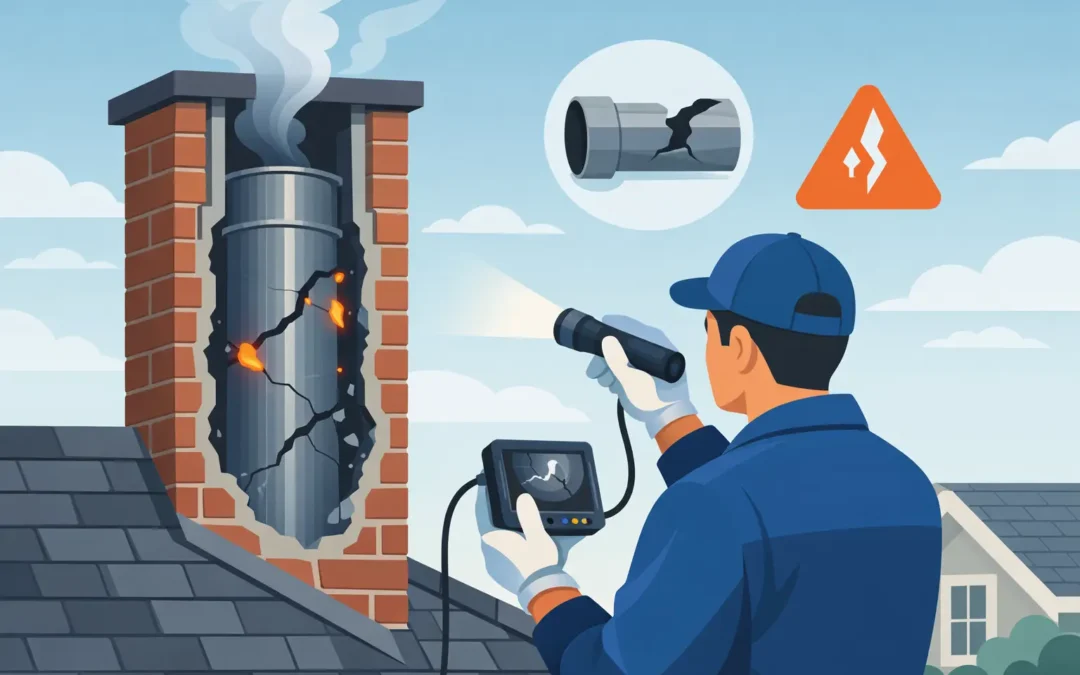
If your stove has started drawing poorly, you can smell smoke when you shouldn’t, or bits of debris are turning up in the hearth, it is fair to ask how to know if chimney liner is damaged. In many homes, the liner is out of sight and easy to forget about. The trouble is that a damaged liner can affect both safety and performance, and the signs are often subtle at first.
A chimney liner has a straightforward job. It carries smoke, gases and moisture safely out of the appliance and up through the flue. It also helps protect the chimney structure from heat and corrosive by-products. When the liner starts to fail, you may notice anything from poor stove performance to staining on the chimney breast. In some cases, there are no obvious symptoms at all until a sweep or CCTV inspection picks it up.
Why a damaged chimney liner matters
A faulty liner is not just a maintenance issue. It can allow heat, smoke and combustion gases to escape where they should not. That raises the risk of chimney fires, carbon monoxide problems and long-term damage to the brickwork or surrounding parts of the property.
The exact risk depends on the type of appliance and liner involved. A wood-burning stove, a multi-fuel appliance and an open fire all place slightly different demands on the flue. Older properties may also have chimneys that were never lined properly in the first place, or have liners that have reached the end of their service life.
How to know if chimney liner is damaged: the common signs
The first clue is often a change in how the appliance behaves. If a stove that used to burn cleanly now struggles to draw, sends smoke back into the room, or is harder to light, the liner may be part of the problem. Poor draw can have more than one cause, of course. Weather, downdraught, fuel quality and blockages all play a part. But if the issue keeps returning, the liner needs checking.
Another sign is unusual smells. A tarry, smoky or damp odour coming from the fireplace, especially when the stove is not in use, can point to trouble in the flue. Sometimes that smell is caused by soot and creosote deposits. Sometimes it is a clue that moisture is getting into the system through cracks, failed joints or a deteriorating liner.
Debris in the fireplace or stove is also worth paying attention to. If you find fragments of clay, bits of mortar, pieces of flue material or an unusual amount of soot dropping into the appliance, that can suggest the inside of the chimney is breaking down. With older clay or pumice liners, cracking can lead to visible fragments. With flexible stainless steel liners, damage may show up in different ways, but loose material and heavy deposits still deserve investigation.
Staining on walls or chimney breasts can be another warning sign. Brown patches, damp marks or salts showing through plaster may mean flue gases or moisture are not being contained as they should be. Not every stain means a failed liner, but it does mean the chimney should be looked at properly.
Signs you might notice when using the stove or fire
Day-to-day use often tells you more than you think. If smoke spills into the room when you open the stove door, if the fire burns sluggishly despite good fuel, or if the appliance seems unusually dirty around the opening, those are signs something is not working as it should.
You may also notice excessive soot build-up. A damaged or poorly matched liner can upset the flue temperature and airflow, which encourages more deposits inside the chimney. That does not always mean the liner itself is split, but it can be a symptom of a wider flue problem.
A louder than usual roaring sound in the chimney, scorch marks, or evidence of a previous chimney fire should never be brushed off. Chimney fires can distort or crack liners, especially metal ones. Even if the appliance appears to be working afterwards, the liner may have been weakened.
What causes chimney liner damage?
Wear and age are the obvious ones. No liner lasts forever. Stainless steel liners have a service life, but how long they last depends heavily on the fuel used, how the appliance is run and how well the chimney is maintained. Burning wet wood, slumbering the stove for long periods, or allowing heavy tar deposits to build up can shorten that life.
Moisture is another major factor. Chimneys are exposed to the weather, and if rainwater gets in or condensation forms regularly inside the flue, liners can corrode or surrounding masonry can start to fail. That is one reason chimney cowls, sound flaunching and routine maintenance matter more than many people realise.
Poor installation can also be the root of the problem. A liner that is the wrong size, unsupported, badly connected or not suited to the appliance may fail early. Sometimes the issue is not a dramatic break, but a system that has never worked quite right from the start.
Then there are blockages and misuse. Bird nests, fallen masonry and heavy soot deposits can all put stress on the liner. So can using the wrong fuel. House coal, treated timber, damp logs and general rubbish have no place in a stove or open fire and can do real damage over time.
How chimney liner damage is properly confirmed
If you are wondering how to know if chimney liner is damaged for certain, the honest answer is that visible symptoms only tell part of the story. The proper way to confirm it is with a professional inspection.
A standard sweep often gives the first indication. During sweeping, signs such as unusual debris, heavy tar, poor draw or rough internal surfaces may point to liner issues. But where there is a real concern, a CCTV chimney inspection is the clearest next step. This allows the inside of the flue to be viewed in detail so cracks, splits, corrosion, collapse, poor joints or other defects can be identified accurately.
That matters because different faults need different remedies. Some chimneys need relining. Others may need local repairs, changes to the terminal, or work to address damp ingress and airflow. Guesswork is where money gets wasted.
Can you inspect a chimney liner yourself?
You can keep an eye out for warning signs, but a full inspection is not really a DIY job. Most liners are not visible without the right equipment, and climbing on roofs or trying to dismantle parts of the system yourself is not worth the risk.
What you can do is pay attention to changes. Notice whether the stove is harder to light, whether smoke behaves differently, whether smells are getting worse, and whether any debris or staining appears. Those details are useful when you speak to a qualified chimney professional.
It is also sensible to make sure you have a working carbon monoxide alarm in the right place. That is not a substitute for maintenance, but it is an essential safety measure in any property with a solid fuel appliance.
When to book an inspection
If you have any persistent smoke issues, strong odours, signs of damp around the chimney, debris falling into the fireplace, or you suspect a chimney fire may have happened, book an inspection promptly. The same goes if you have moved into a property and do not know the history of the chimney or liner.
Regular sweeping is one of the best ways to catch problems early. An experienced sweep will often spot the first signs that something is changing in the flue. If a closer look is needed, a CCTV inspection can then confirm the condition before the issue becomes more serious.
For homeowners in Leicestershire, that practical approach matters. A local, properly trained provider such as Thurnby Chimney Sweeps can sweep, inspect and explain what is actually going on without dressing it up in jargon or pushing work that is not needed.
Do all damaged liners need replacing?
Not always. It depends on the material, the age, the type of defect and how severe it is. A heavily corroded flexible liner or a cracked, unsafe flue system may need full replacement. In other cases, the problem may be related to installation details, moisture entry or another fault around the chimney rather than total liner failure.
That is why a proper diagnosis matters. The cheapest answer at first glance is not always the cheapest in the long run, and the most expensive answer is not always the right one either.
If you use a stove or open fire regularly, treat changes in performance seriously and keep up with routine sweeping and inspection. A chimney liner does its best work quietly in the background, but when it starts to fail, the house usually gives you a few warnings before the problem becomes much bigger.