
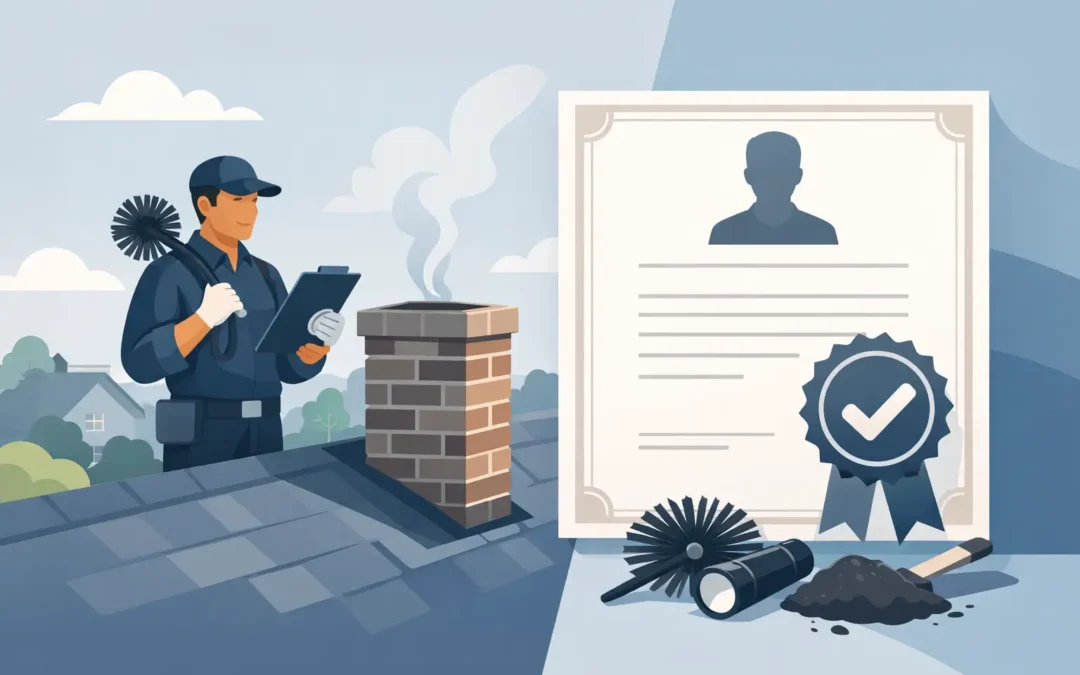
You have had the chimney swept, the stove looks cleaner, and the soot has gone. Then comes the question many householders ask afterwards – do you get a chimney sweep certificate after service, and what is it actually for? It is a fair question, especially if you use a wood burner regularly, rent out a property, or want clear proof that the flue has been professionally maintained.
A chimney sweep certificate after service is usually a written record confirming that sweeping has been carried out, often with notes on the condition of the chimney or flue at the time of the visit. It is not just a bit of paper for your files. In many homes, it provides useful evidence for insurance, supports sensible stove maintenance, and helps show that the appliance and flue system are being looked after properly.
What a chimney sweep certificate after service usually means
In plain terms, the certificate confirms that a competent chimney sweep attended the property and carried out a sweep on a stated date. It will normally include the property address, the appliance or chimney swept, and the name or registration details of the sweep. Some certificates also record any obvious issues seen during the appointment, such as heavy tar deposits, poor draw, damaged liners, blockages, or bird nesting material.
That matters because sweeping is not only about removing soot. A proper visit also gives the sweep a chance to spot warning signs before they turn into bigger problems. If something does not look right, the certificate or service record may note that further inspection, repair, or testing is recommended.
Not every certificate looks identical. Different trade bodies and businesses use their own formats. What matters most is that it is clear, professional, and issued by a trained and properly insured sweep.
Why householders ask for one
Most people do not ask for a certificate out of curiosity. They ask because they want reassurance, or because someone else has told them they need proof. That is common when a home insurer asks about chimney maintenance, or when a landlord wants records showing the flue has been serviced.
For stove owners, a certificate is also a simple way to keep a maintenance trail. If you burn wood or smokeless fuel through autumn and winter, it is easy to forget exactly when the last sweep took place. A certificate gives you a dated record, which is far better than guessing.
There is also the safety side. Chimneys and flues can build up soot, tar and creosote over time. If left alone, those deposits can increase the risk of chimney fires and poor performance. Having a certificate after service shows that you are taking routine maintenance seriously rather than waiting until there is a problem.
When you may be asked to provide a certificate
Insurance is one of the main reasons. Some insurers ask for evidence that solid fuel appliances and chimneys are maintained in line with good practice. Requirements vary, so it depends on your policy. One insurer may only ask for reasonable upkeep, while another may expect regular sweeping records if you make a claim linked to fire or smoke damage.
Landlords may also need paperwork for their own records. While a chimney sweep certificate is not the same as a gas safety record or an installation sign-off, it can still be an important part of showing that the property is being maintained responsibly.
If you are selling a house, records of chimney sweeping and stove servicing can also help answer buyer questions. They are not usually the deciding factor in a sale, but they can add confidence where a fireplace or stove forms part of the property.
What a certificate does and does not prove
This is where a bit of honesty matters. A chimney sweep certificate after service is useful, but it should not be mistaken for something it is not.
It shows that sweeping took place on a given date. It may also show that the sweep saw no obvious faults at the time, or that certain concerns were identified. What it does not automatically prove is that the whole chimney system is perfect, that hidden faults do not exist, or that the appliance meets every installation regulation if no installation check has been done.
For example, a sweep may remove soot successfully and still advise a CCTV inspection if there are signs of internal damage or an obstruction higher up in the flue. In the same way, if your stove is burning poorly, smoking into the room, or suffering from downdraught, sweeping alone may not solve it. The certificate records the service, but the next step could still be further diagnostic work.
What should be included on a proper certificate
A decent certificate should be easy to read and specific to your property. At a minimum, you would expect the date, the address, details of the chimney or appliance swept, and the identity of the sweep or business. Many also include notes on the flue condition, whether smoke testing was carried out, and any recommendations.
If there are defects, those should be recorded clearly. That protects both the customer and the sweep. It avoids any false sense of security and gives you a written prompt to arrange repairs or further checks.
If you have more than one appliance, make sure the record makes clear which one was serviced. Open fires, wood burners, multi-fuel stoves and lined flues can all have different maintenance needs.
Why training and certification of the sweep matter
The value of a certificate depends heavily on who issued it. A handwritten note from someone with no recognised training does not carry the same weight as paperwork from a qualified, insured professional. That is why it makes sense to choose a sweep with proper trade training and recognised credentials.
A trained chimney sweep is more likely to identify signs of trouble, use the right equipment, and give straightforward advice if something needs attention. That is especially important in homes with liners, twin wall systems, stove installations, or known issues such as bird nest blockages or poor draw.
For householders in Leicestershire, this is often where using an established local firm pays off. You want someone who does not just turn up with brushes, but understands the wider chimney and flue system as well.
How often should you have your chimney swept?
There is no single answer that fits every household. It depends on the fuel you burn, how often you use the appliance, and the condition of the chimney or flue. A stove used daily through the heating season will usually need more frequent attention than a fireplace lit a handful of times over Christmas.
Wood that is not properly seasoned can lead to faster tar and creosote build-up. Smokeless fuel brings its own maintenance demands. If you have had previous issues with soot fall, poor ventilation, or nesting birds, your sweep may recommend a different schedule from the standard advice.
The sensible approach is to ask at the appointment what interval suits your appliance and usage. A good sweep will not give a one-size-fits-all answer if your set-up needs something different.
Keeping your records in order
Once you receive your certificate, keep it somewhere sensible with any stove servicing paperwork, installation records, and household insurance documents. A printed copy is useful, and if you receive a digital version, save that as well.
It sounds basic, but records often go missing until the day they are needed. If there is ever a claim, a property query, or a question about previous maintenance, having everything together saves time and stress.
It also helps build a clear service history. If the same business returns year after year, those records can show patterns over time, such as repeated nesting problems, ongoing downdraught, or a flue that may need more than routine sweeping.
The practical value for stove owners
For many customers, the real value of a chimney sweep certificate after service is peace of mind backed by something tangible. You know the flue has been cleaned. You have a dated record. And if the sweep has spotted a concern, you can deal with it before it turns into smoke leakage, appliance damage, or a chimney fire risk.
That practical approach is what matters most. No scare tactics, no unnecessary extras, just clear maintenance, honest advice and proper records. A family-run business such as Thurnby Chimney Sweeps understands that most householders simply want to know their chimney is safe, working as it should, and looked after by someone who knows the job.
If you use a stove or open fire, asking for the certificate is a sensible habit. It keeps your paperwork straight and gives you one more solid piece of reassurance that your home is being properly maintained.