
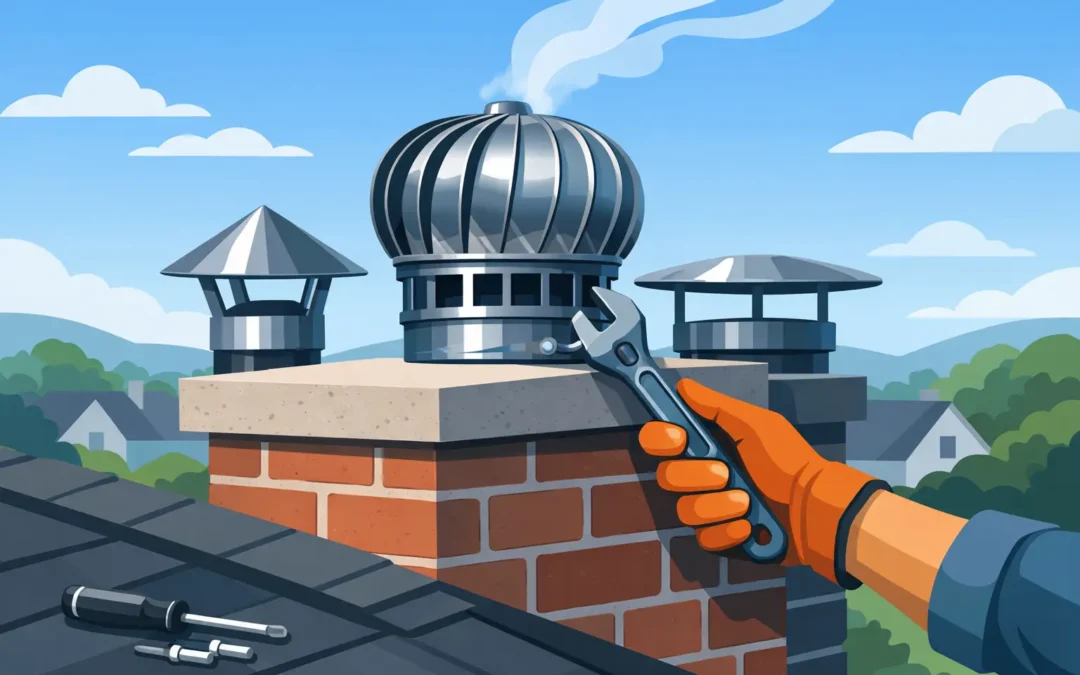
If smoke is blowing back into the room, rain is finding its way down the flue, or birds keep choosing your chimney pot as a nesting spot, chimney cowl fitting is often the fix people need. The difficulty is that not every chimney problem is solved by the same type of cowl, and fitting the wrong one can waste money without sorting the cause.
A cowl sits on top of the chimney pot or flue terminal and is designed to improve how the chimney performs. Depending on the type, it can help with downdraught, keep out birds, reduce rain entry and stop debris falling into the flue. It sounds simple enough, but the right choice depends on the appliance, the flue, the height and position of the chimney, and what problem you are actually trying to solve.
What chimney cowl fitting actually does
A lot of homeowners think of a chimney cowl as a one-size-fits-all cap for the top of the stack. In practice, it is more specific than that. Some cowls are mainly there to prevent birds nesting in the flue. Some are built to reduce the effect of wind hitting the top of the chimney and forcing smoke back down. Others are made to limit rain getting into the system.
That matters because one chimney might suffer from regular jackdaw nests every spring, while another has no bird issue at all but struggles with poor draw on windy days. A petrol flue, an open fire and a wood-burning stove do not all use the same terminal arrangements either, so proper chimney cowl fitting starts with identifying the appliance and the fault, not just picking a cowl that looks about right.
When chimney cowl fitting is worth considering
The clearest sign is persistent downdraught. If smoke or fumes are pushed back into the room, especially in certain wind directions, a suitable anti-downdraught cowl may help. These cases need a proper look at the whole chimney setup, because wind patterns, nearby roofs, trees and the chimney height all play a part.
Another common reason is bird activity. Once birds begin nesting in a chimney, they can block the flue and create a serious safety issue. A bird guard cowl can help prevent repeat problems after the flue has been cleared, but it must still allow the appliance to work as it should.
Rain ingress is another issue people notice. Water coming into the flue can lead to damp staining, unpleasant smells, damaged liners and faster wear in the chimney structure. A rain cap or suitable cowl may reduce this, although it is not always the only answer. Sometimes the problem is failed flaunching, damaged pots or defects elsewhere on the stack.
Not all cowls do the same job
This is where a lot of confusion starts. There are several common styles used on domestic chimneys, and each has a different purpose.
A bird guard cowl is usually used to stop birds entering and nesting in the flue. These are common on disused flues and on chimneys where bird problems are frequent. On working appliances, the guard has to be suitable for the type of fuel and flue gases involved.
An anti-downdraught cowl is designed to improve performance where wind causes turbulence at the top of the chimney. Some use their shape to deflect wind, while others are made to encourage better upward flow. They can be very effective in the right setting, but not every smoky chimney is suffering from downdraught alone.
A rain cowl focuses on reducing the amount of water entering the flue. It can help protect the inside of the chimney, but if the stack itself is in poor condition, fitting a cowl will not put that right.
There are also specialist terminals for lined systems, solid fuel appliances and twin wall flues. This is why it is always better to match the cowl to the system, rather than trying to force a generic fix onto a more technical problem.
Why the right fit matters
Good chimney cowl fitting is not just about securing something on top of the pot. It needs to be compatible with the chimney and with the appliance below. If the wrong cowl is fitted, it may restrict the flue, interfere with draw or fail to cope with the heat and gases produced.
For solid fuel appliances especially, poor terminal choice can create performance and safety issues. A cowl that is fine on one setup may be unsuitable on another. Open fires, wood burners and multi-fuel stoves all need proper consideration, and disused flues should also be capped in a way that still allows suitable ventilation where required.
There is also the practical side of access and fixing. Chimneys are exposed to wind, rain and frost year after year. A cowl needs to be fixed securely and fitted in a way that stands up to the weather. A loose or badly installed cowl can come away, become damaged or simply stop doing its job.
Chimney cowl fitting and downdraught problems
Downdraught is one of the main reasons people ask about a cowl, and it is one of the most misunderstood. A cowl can help, but only if downdraught is truly the issue.
Sometimes the real cause is a chimney that needs sweeping because soot, tar or debris is restricting the flue. In other cases, the fire is not being lit with enough heat to establish a proper draw, or the room does not have enough air supply. Cold flues can also struggle at the start. Then there are properties where extensions, neighbouring roofs or tall trees change how wind moves around the chimney pot.
That is why a proper assessment matters. The best answer might be chimney cowl fitting, but it could also involve sweeping, inspection, changes to the flue system or repairs to the chimney stack. Honest advice is important here. No one benefits from fitting a cowl if the actual fault lies elsewhere.
What happens during a professional fitting
The first step is usually to identify the appliance and inspect the condition of the chimney. If there are signs of blockage, nesting material, damaged flaunching or poor draw, those issues need to be factored in before a cowl is chosen.
The cowl is then selected according to the use of the flue and the problem being addressed. This might sound obvious, but it is where experience counts. A family home with a stove in regular use needs a different approach from a disused chimney on an older property that mainly needs protection from birds and rain.
Access is arranged safely, and the cowl is fitted and secured to the pot or terminal as required. In some cases, a simple strap fixing is enough. In others, a more specific fitting method is needed. Once in place, the aim is straightforward – the cowl should be secure, suitable and doing a clear job.
Can you fit a chimney cowl yourself?
Some people do try, especially with basic bird guards. The problem is not only choosing the right cowl but getting safe access to the chimney in the first place. Working at height brings obvious risks, and even a simple fitting can go wrong if the chimney pot is damaged or the cowl is not properly secured.
There is also the risk of fitting something unsuitable for the appliance. That can lead to poor performance, recurring smoke issues or a false sense that the problem has been dealt with when it has not. For homes with working fires or stoves, it usually makes more sense to have it assessed and fitted properly.
A small fitting that can prevent bigger problems
When the right cowl is fitted for the right reason, it can make a real difference. It can help keep birds out, reduce rain entry and improve performance where wind is causing trouble. Just as importantly, it can save repeated call-outs for the same avoidable issue.
At Thurnby Chimney Sweeps, that practical approach matters. Homeowners do not need jargon or guesswork. They need someone to look at the chimney, identify the problem and fit the proper solution.
If your chimney has started smoking back, taking in rain or attracting nesting birds, it is usually best to deal with it early, before a nuisance turns into a blockage, damp problem or safety concern.